As the season moves closer to autumn, gardeners are preparing for an increase in weeds on their lawns, which are well-known for flourishing during this period. These uninvited plants arrive in different life cycles—annual, biennial, or perennial—and can prove troublesome to control once they take hold of your grass.
Natural alternative to chemicals
While chemical options are available to combat these intruders, Peter Chaloner, gardening expert and managing director of Cobra, champions a natural and "effective way" to eliminate them. Weeds, frequently regarded as undesirable vegetation, can emerge anywhere and aren't necessarily unattractive; some might even look like familiar wildflowers.
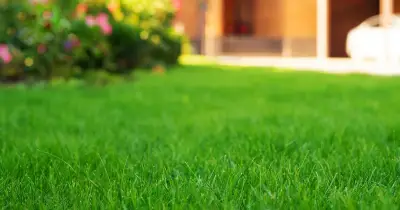
Nevertheless, for those pursuing an immaculate lawn, swift weed removal is essential. Peter advised: "Removing weeds is the first step in achieving the perfect lawn. Avoid using chemicals, boiling water and white vinegar that are rumoured to work as you run the risk of killing the surrounding grass and doing more harm than good."

Digging technique for stubborn roots
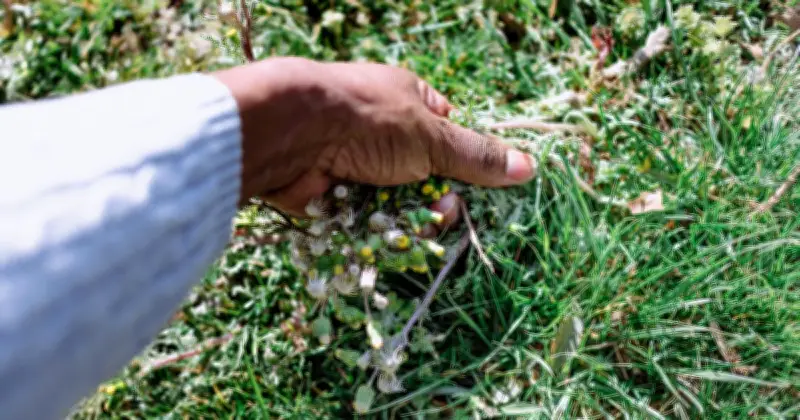
He suggests a manual technique: "The more effective way is to dig simply. Take a hand trowel, or even a specialised weeding trowel, and dig around the weed, but be sure to get deep under the root to make sure it is entirely removed."
This excavation technique proves especially successful against persistent weeds such as dandelions, broad-leaved docks, and plantain, which possess extensive taproots. Simply pulling the leaves won't be adequate; gardeners must remove the complete root to stop regrowth.
Certain weeds are remarkably invasive, able to grow from the tiniest root fragments and rapidly developing a network of rhizomes. After you've dealt with the weeds, it's essential to stop their comeback with a solid lawn maintenance programme.
Maintenance to prevent regrowth
Peter suggests beginning with scarification to remove debris and dead grass that restricts air flow to the roots, then aeration to enhance circulation. Regular scarifying not only controls annual weeds but can also reduce perennial varieties. Thatch and moss can deprive your grass of vital nutrients and moisture, but a scarifier can successfully eliminate this layer and trim the grass.
For lawns troubled by thistle or common ragwort, regular mowing can help in their control. Peter advised: "Mow throughout spring and summer little and often, and don't take too much off with the first cut so as not to shock the grass."
Before mowing, make certain your lawnmower has a clippings bag or box fitted to prevent the distribution of weed seeds, which could worsen weed problems. Through carefully removing seeds and cutting back the plants, the weeds will slowly weaken, and their capacity to seed will be compromised. Eventually, this persistent method will result in a weed-free lawn.