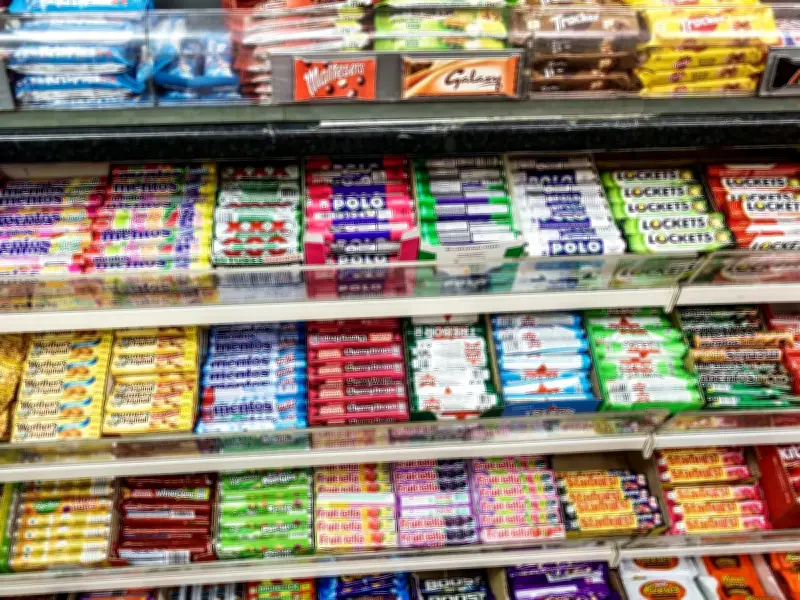
New restrictions on less healthy food and drink came into force across Scotland this week, meaning some familiar favourites may disappear from prominent spots in larger supermarkets. As of October 1, bigger retailers face new rules on where certain products can be displayed and how they can be promoted.
The changes are part of the Scottish Government's plans to encourage healthier choices by making it harder for shoppers to be tempted into buying certain products on impulse. However, sweets, chocolate and fizzy drinks are not being banned altogether — instead, some products will be moved away from areas where shoppers are most likely to see them, including checkouts, shop entrances and the ends of aisles.
Which products are affected
The restrictions apply to certain pre-packed foods and drinks considered high in fat, sugar or salt. This can include chocolate, sweets, biscuits, cakes, ice cream, crisps and sugary soft drinks, while some breakfast cereals, flavoured yoghurts and convenience foods such as pizzas, ready meals, chips and breaded products can also be affected.
Not every product in these categories will automatically be restricted. Products are assessed using the Scottish Government's nutritional criteria, meaning some items within the same category may be affected while others are not. Even products marketed as healthier alternatives, including some flavoured drinks, kombuchas, muesli and chewing gum, could fall under the restrictions if they contain enough sugar or other nutrients to meet the criteria.
Checkout and aisle changes
One of the biggest changes shoppers are likely to notice is around supermarket checkouts. Restricted products must now be kept at least two metres away from checkouts and queuing areas, meaning the chocolate bars, sweets and drinks traditionally placed beside tills can no longer be displayed there.
The rules also cover the ends of supermarket aisles, which are often used for special offers and promotional displays. Restricted products cannot be displayed at the end of an aisle or within 50cm of the aisle end. However, shoppers will still be able to buy the products elsewhere in stores. Supermarkets can also use separate promotional stands for restricted foods, as long as they are not attached to an aisle or placed within the 50cm exclusion zone.
Promotions and exemptions
The rules mainly focus on food and drink that has been pre-packed before arriving at the store. Fresh food prepared and packaged on the same premises is generally exempt, meaning something such as a made-to-order baguette would not be treated in the same way as a pre-packed product brought into the shop.
The changes also affect how some of these products are promoted, meaning shoppers could see fewer multi-buy offers and similar deals on restricted foods. That includes promotions such as buy-one-get-one-free and certain multi-buy deals, with more promotions expected to focus on healthier alternatives instead. Additionally, some businesses will also no longer be able to offer free refills for certain sugary drinks.
The restrictions apply to businesses with more than 50 employees and cover both physical stores and online shopping. The overall aim is to change where these products are displayed and how they are promoted, particularly in areas where shoppers may be more likely to make an impulse purchase.