
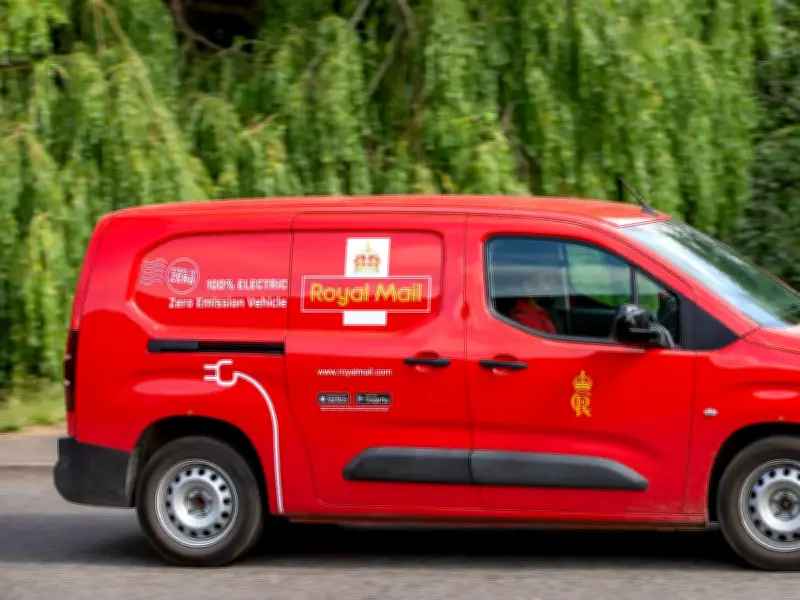
Royal Mail processes up to 6.6 billion letters annually, and it has issued clear guidance for anyone writing addresses on envelopes or parcels by hand. Following these recommendations can help prevent delays and ensure mail reaches the correct destination.
Why clear addressing matters
Penning a legible address is vital because Royal Mail's automated sorting equipment relies on crisp, well-structured text to read and handle post quickly. Left-aligned, clear handwriting reduces sorting mistakes, cuts delivery delays, and prevents mail from going astray or being returned.
In guidance on its website, Royal Mail states: "Use clear and easy to read handwriting (or font if you are printing the address). Use a pen or ink that is clear against the colour of the envelope or parcel."
Recommended ink and pen choices
Royal Mail does not prohibit any particular type of pen, but it requires customers to use an ink shade that contrasts strongly with the envelope's colour. Black ink is especially recommended for maximum readability, particularly on paler surfaces or labels.
The guidance adds: "It's important that the address shows up against the colour of your envelope. (Tip - stick on a white label with black ink.)" Avoid light or washed-out shades like light grey, pale yellow, or faint pink, which can merge with the background. Also avoid pens that smudge or become illegible during automatic sorting.
How to format the address correctly
Royal Mail advises: "Write the address clearly on the front, following our guidelines, and always include a postcode if possible. You can search for up to 50 postcodes or addresses, free of charge, with our Postcode Finder."
Start with the recipient's name on the first line, including both first and surname, and optionally an organisation name. On the following lines, include the property number and street name, or a full property name if applicable, then the local area or village name.
Next, write the town name in capital letters. A county name is not necessary, though it can be included if preferred. The last line should feature the UK postcode in capital letters, followed by the country name in capitals for overseas destinations.




