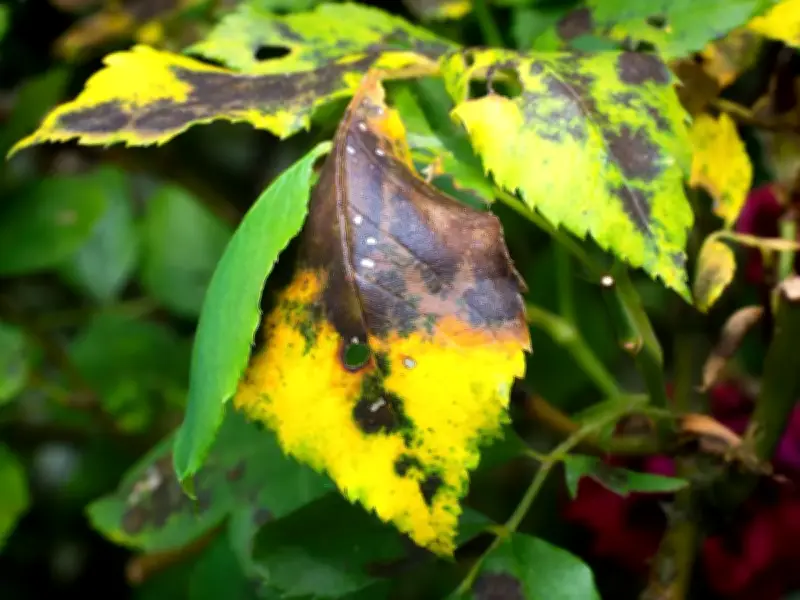
Adding horticultural cornmeal to the soil around roses and hydrangeas could protect them from black spot and fungal leaf spot disease without using chemicals, according to gardening expert Caroline, who shared the advice on her Facebook page Figement Cottage Gardens.
Black spot, caused by the fungus Diplocarpon rosae, attacks rose foliage, creating purple or black markings and often causing leaves to drop early. Hydrangeas are vulnerable to fungal leaf spot, which appears as pale brown markings edged with darker brown; as the condition worsens, spots expand, leaves yellow, and eventually shed.
How the Organic Remedy Works
Caroline said the method can "save your hydrangeas and roses from black spot the organic way" and that "all it takes is horticultural cornmeal." She explained: "You want to use horticultural cornmeal versus corn starch, cooking cornmeal, or corn gluten, because it's milled from the outer shell of the kernel and contains more protein that feeds the beneficial fungi that outcompetes black spot."

For application, use one cup of cornmeal per large shrub, with a single bag providing enough coverage for 16 cups or 16 substantial roses or hydrangeas. Smaller shrubs require only a quarter to half a cup. Scatter the cornmeal around the plant's base and work it into the earth. Caroline noted: "I did this before a big rainstorm to water it in."
Benefits and Preventative Measures
Agricultural professionals use cornmeal as fertiliser, for weed suppression, as a soil conditioner, and as an organic fungicide. The gardening expert suggested this approach eliminates the need for spraying roses and hydrangeas with copper fungicides to address and ward off black spot. Instead, helpful fungi develop on the cornmeal and beat out the black spot spores in competition. She said: "Rose gardeners swear by it."
After dealing with black spot and leaf spot, preventative action is essential to stop them returning. Mulching is one effective task: it nourishes the soil and root systems while covering black spot and additional fungal disease spores, reducing the likelihood of them being splashed upwards during rainfall and reinfecting a previously treated plant.