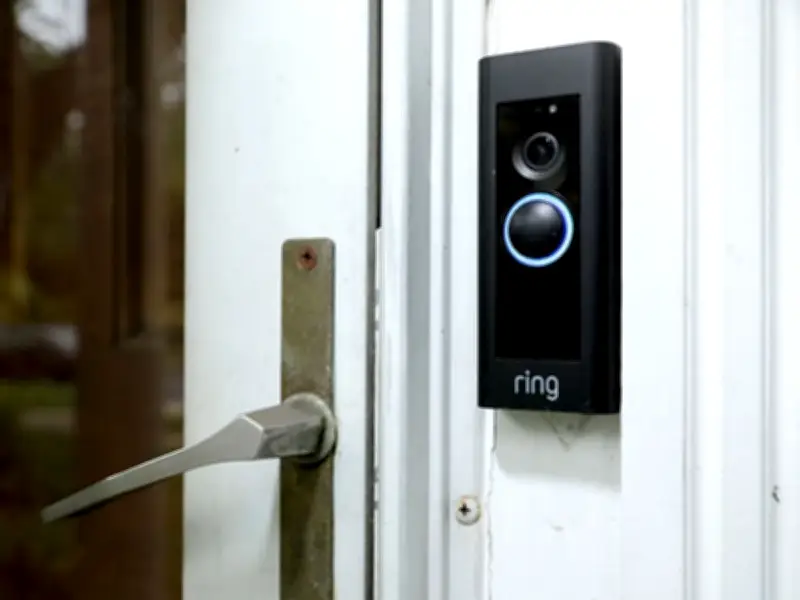
Ring doorbells are used by approximately one in five homes in the UK, but failing to follow data protection laws can lead to legal trouble. While these devices let you see, hear and speak to visitors, and offer live HD video of your property even when you are away, they can create privacy issues if they record areas outside your private property.
Using a Ring or video doorbell in the UK is legal, but you must follow data protection laws if your device records areas outside your private property. The most important thing is to ensure the camera only captures your private property boundaries. If it records outside your property, into neighbouring properties or public areas, this is when problems can arise.
UK laws on video doorbells
Videoing devices that capture people on public footpaths are a breach of privacy, according to the Data Protection Act 2018. The UK government has previously shared guidance on privacy laws for people with doorbell video devices, which is often referred to as domestic CCTV.

Advice said: "If your CCTV system captures images of people outside the boundary of your private domestic property – for example, from neighbours’ homes or gardens, shared spaces, or from public areas – then the GDPR (General Data Protection Regulation) and the DPA (Data Protection Act 2018) will apply to you. You will need to ensure your use of CCTV complies with these laws. If you do not comply with your data protection obligations you may be subject to appropriate regulatory action by the ICO (Information Commissioner's Office), as well as potential legal action by affected individuals."
ICO requirements for CCTV users
According to the ICO, people who capture images or audio recordings from outside their property boundary must:
- have a clear reason for using the CCTV
- make sure the CCTV doesn’t capture more than it needs to
- let people know they are using CCTV (eg by displaying a sign)
- in most cases, provide some of the recordings if asked by a person whose image or audio, or both, has been captured by the CCTV
- delete the footage regularly or automatically, or both; and
- stop recording a person if they object to being recorded and there’s no legitimate reason to continue recording them
How to stay safe
If you are considering using a video doorbell or CCTV at home, you must be aware of the dangers. The government said: "A domestic CCTV or video surveillance system needs to be operated in a responsible way that respects the privacy of others."
It is important to consider the privacy of others. Ask yourself: where will I position the CCTV or video surveillance system to minimise intrusion into my neighbours’ and other people’s privacy? Will the range of the cameras include my neighbours’ property, gardens, pavements or other areas? If so, you could consider systems that can reduce intrusion, such as those which have privacy filters. How will my neighbours feel about my CCTV or video surveillance system?
You should inform your neighbours or put up a notice informing people that recording is taking place.