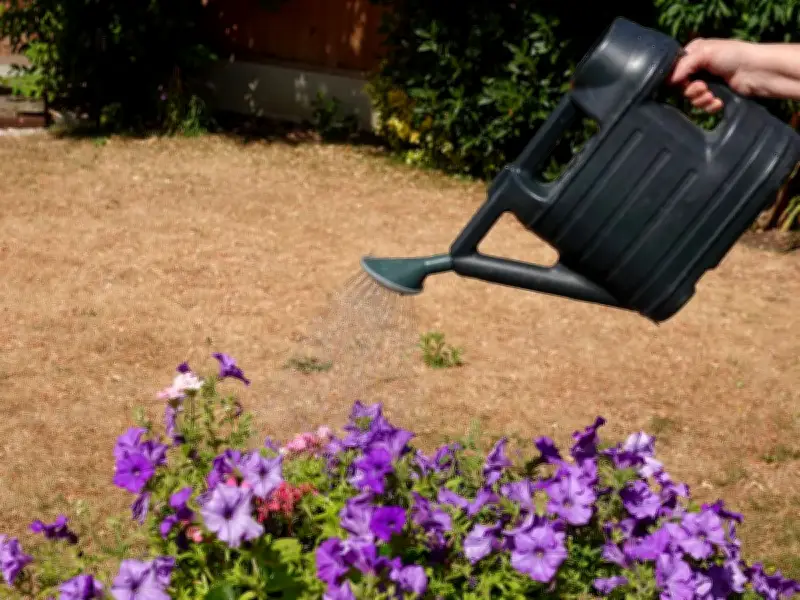
After a summer of record-breaking heat that has left lawns brown, plants scorched and trees dropping fruit and leaves, the Royal Horticultural Society (RHS) says it is not too late to salvage green spaces and future-proof them for hotter years – as long as gardeners work with nature.
With rain finally arriving and forecast into next week, RHS Principal Horticultural Advisor Leigh Hunt said: “This has been an exceptional year for heat. Records have been broken and new ones set.”
Lawns will recover with autumn rains
Hunt, based at RHS Garden Wisley in Surrey, said: “It’s put our gardens under long term stress. There’s no doubt it’s been a challenging time for gardeners. My own lawn’s as bad as everyone else’s. People might be tempted to say ‘I’ll just pave it over!’ But that’s not going to help.”

He added: “We shouldn’t give up on our green spaces. We just need to work with Mother Nature and think about changing and adapting the way we garden. That’s true, whether we have a patch of grass and some beds, a few pots, an allotment or a windowbox.”
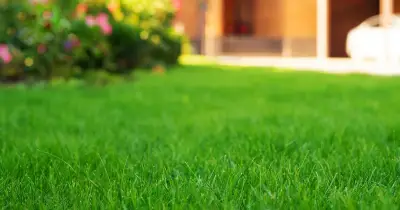
Hunt, who trained at the Royal Botanic Gardens Kew and worked as a technical advisor on BBC Gardeners’ World Magazine for five years, said a brown lawn is not dead and should recover when autumn rains come. He advised against watering it even where there is no hosepipe ban, but said re-seeding in October and November may be needed if the grass has seen heavy footfall, using a variety that is resilient or more drought tolerant.
Dead plants bring new opportunities
While some garden plants may have died in the heat, Hunt said the empty space left behind should be regarded as an opportunity to think about what could do better in the future. He explained that when a plant is short of water, leaves wilt and droop, older leaves turn yellow as the plant prioritises new growth, and eventually even well established plants die back.
For plants in pots, he advised moving them into the shade and using ‘grey water’ – used water from the kitchen or shower – to keep them hydrated, while checking soil moisture by sticking fingers three or four inches into the ground and using saucers under pots to capture excess water. Trees dropping fruit and leaves is not necessarily a sign of early autumn, he said, but the tree prioritising its own survival, with fruit not going to waste thanks to wildlife.
Prepare for next year now
Hunt recommended mulching this autumn with a five to eight centimetre layer of compost around plants to improve nutrient levels and soil health and store moisture, with worms pulling the compost down so no digging is involved. He also advised investing in a water butt for more water storage next year, and planting trees, shrubs, climbers and non-woody perennials in autumn to give them a stronger start before the next spell of heat.
He suggested drought-tolerant plants for drier conditions, including sea hollies, wisteria, succulents such as ice plants, Persica roses and strawberry trees. He also highlighted the benefits plants provide: shade from trees, cooling of the air through moisture release, and climbing plants that can cool the surface temperature underneath by up to seven degrees and reduce heat entering a house when placed against a wall. Reducing paving, which collects heat, also helps cool things down.
Hunt, who heads a team within the RHS Advisory Service answering more than 70,000 questions each year, said inspiration for what to grow can be taken from neighbours’ gardens, local parks and even supermarket car parks, as well as RHS gardens across the country. He said: “We need to embrace change in our gardens. This is new territory and it’s like we’re all part of a big experiment, seeing what works and what doesn’t. It’s a partnership with nature. Trust her that the rains will return and things will green up again.”