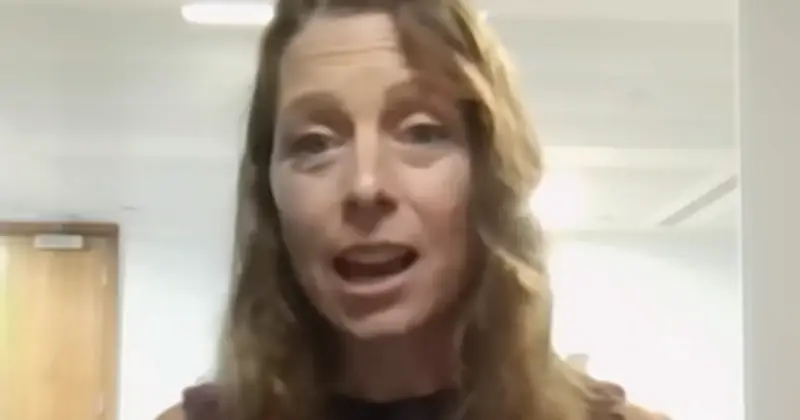
Professor Hannah Cloke, an expert in risk and resilience, has said people in the UK are “right to be concerned” about potential crises and should ensure they have six items in their homes. Appearing on Channel 4 News, she said the UK could face serious problems, including cyber attacks, floods, El Niño, heatwaves and security alerts, which could severely impact people’s lives.
Concerned, not frightened
Professor Cloke said: “It’s right to be concerned. So, that’s an important difference from not being frightened, but being concerned. And that means thinking about something before it happens is the right thing to do. Being frightened and anxious is not necessary because we can prepare for things.
“We can plan ahead of time if we think about what might happen. So there’s a subtle difference there and there are lots of things we can do. We’ve been hearing things about cyber attacks, security, flood risk, heatwave risk, and things, but the principles behind preparing for all of those things are the same.”
Government warnings
At the weekend, Defence Secretary Wes Streeting urged Britons to stockpile tinned food, bottled water and cash in preparation for potential war or natural disaster. He said the UK needed to adopt a “whole society approach” to preparedness and resilience, and warned Britain faces a “greater risk of war” with Russia than at any other point during his lifetime.
Professor Cloke said people at risk of extreme weather, such as floods, should consider a simple option: “You see time and time again people who are not prepared really suffer when that flood hits. Just making really simple preparations like having a grab bag to go in your home with your important documents, some spare medicine, and stuff for any children that you’ve got like babies can make a massive difference to how you deal with that flood coming towards you.”
Six items to stockpile
In terms of immediate steps, Professor Cloke said: “First thing is again build resilience into your home. So have a little bit of bottled water, some food that’s long-lasting, definitely supplies of medicines. People forget that all the time. If you are taking medication, just have like one month ahead so that you can prepare if you just can’t access that information for any reason.”
- Have a grab bag if at risk of flooding
- Wind-up radio for power cuts/internet outages
- Have a month’s supply of medications
- Bottled water and long lasting food
- Torch
- Batteries
She added: “Make sure you would know what to do if the electricity went off or the water went off. And so in my house I’ve got one of those little wind-up radio things that you can charge your phone with, and it’s got a torch on it as well. It’s a really simple piece of kit and it’s quite long-lasting and you’ve just got it just in case of that emergency.
“We’ve seen this summer lots of people lost water at some points and we’ve seen like that event in Portugal where the electricity went down and nothing was running, the tube system wasn’t running and none of the banks were working, any of that. So, if you just kind of see, could I survive okay for a couple of days with the things that I’ve got in my home?
“And also talk to your neighbours, particularly if you’ve got vulnerable neighbours who might be older or who perhaps got disabilities or something like that. Make sure that you have that network with the people who are around you because again, it can make a massive difference in these types of events.”
She said people do not need to panic buy anything and clear the supermarket shelves, adding: “So, a nice calm preparation is what’s required. So, it’s that British advice of keep calm and carry on.”
Security briefings for firms
Security Minister Dan Jarvis announced on Friday that he will hold closed-door briefings with critical infrastructure firms. The meetings will outline how Moscow employs digital intrusions, physical sabotage plots and coordinated information warfare to further its objectives.
Jarvis said: “Strong defences are built on a clear understanding of the threat. That’s why I’ll be chairing this briefing, to share world-class intelligence with some of the most important organisations in the country to ensure they understand and are prepared for the threats we face.”