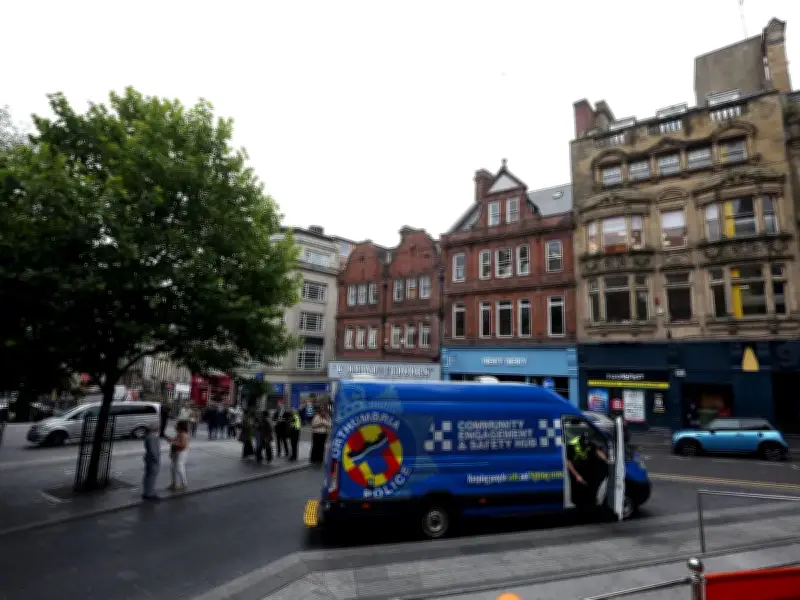
City bosses in Newcastle have pledged there will be “no decline in safety” if the Late Night Levy, which has funded extra police patrols and taxi marshals, is abolished. Councillors will be asked to consider revoking the charge, which has raised more than £3 million from Tyneside pubs, bars and clubs since 2013.
Levy details and impact
The levy amounts to an annual fee of between £299 and £4,400 on Newcastle businesses with a licence to sell alcohol between midnight and 6am. It has been a source of major frustration at a time when the hospitality trade is under major financial pressure.
Proceeds from the levy have been used to pay for measures intended to make the city centre safer, including CCTV, marshals, additional police patrols, street pastors, the Safe Haven van on Bigg Market, and Shout Up sexual harassment training.

Council and BID response
Ahead of a meeting of the council’s licensing committee next Monday, council leader Colin Ferguson has made clear he wants to see the levy axed. If councillors agree, the decision would need to be referred to a meeting of the full council in October for final approval.
The Newcastle Business Improvement District (BID) company NE1 Ltd has campaigned for the levy to be dropped. Its chief executive, Stephen Patterson, welcomed the news as an “important first step in giving the sector the support it urgently needs”. He told the Local Democracy Reporting Service that safety measures paid for through the levy would not be under threat.
Mr Patterson said: “NE1 and the city council are absolutely committed that there will be no decline in the safety of the city. More than that, we want to improve safety. We want to make it better. I can absolutely say without a shadow of a doubt that ourselves, the council, and the police are committed to ensuring that there is no degradation in the safety of the city centre.”
Funding and crime trends
It is thought that NE1 and the council could set up a new fund, overseen by a governance board of city leaders, to effectively replace the Late Night Levy and dedicate cash towards things like street marshals and the Safe Haven. The levy has generated £3.46 million since its introduction in 2013. After administration costs, £2.26 million was allocated to the Northumbria Police and Crime Commissioner (PCC) and £968,432 to the council.
According to a council report, analysis of crime trends in the city centre since 2022 shows a decline in violent and sexual offences, theft, arson and criminal damage, alcohol-related anti-social behaviour and assault-related A&E presentations. However, drug offences, robbery, noise complaints and litter reports have increased.
PCC Susan Dungworth said: “We know that as we head towards the early hours, antisocial behaviour heightens and vulnerabilities tend to peak. That’s why I’m thankful to the businesses in our city who contribute to the Late Night Levy which plays a crucial role in supporting a visible and proactive policing presence.
“We know many venues and traders face their own financial pressures and challenges, so I want to be clear that my office does not retain any of this money. We simply direct the funding to where it’s needed most - supporting frontline policing, operational services, and vital support for victims such as the Safe Haven and Street Pastors.
Northumbria Police are fully committed to keeping people safe with patrols helping to prevent disorder and protect vulnerable individuals, ensuring everyone can enjoy our city safely. By working together with businesses, policing and councils, we can continue to build safer streets and stronger communities for everyone.”
Industry reaction
Outside London, Liverpool and Newcastle are the only councils still to charge such a levy on late night venues. Former city council leader Nick Kemp, who now heads hospitality association The Core, said that Coun Ferguson’s declaration was a “clear sign of positive intent towards Newcastle’s hospitality sector and an indication that the city’s political leadership understands the pressures businesses are facing”.

He added: “This is about creating the right environment for hospitality businesses to operate, invest and grow. We want to work constructively with the council and make sure that the voice of businesses across the whole city is part of that conversation.”