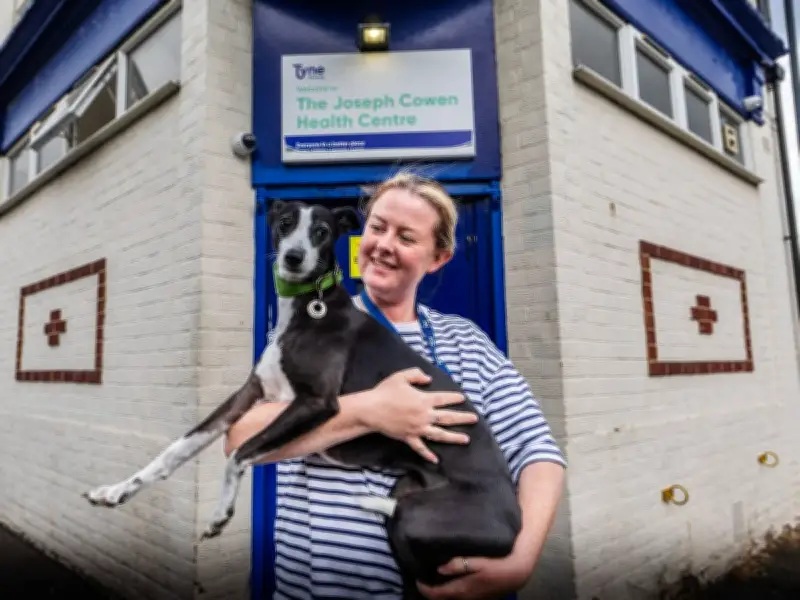
The Joseph Cowen Centre in Byker, Newcastle, is helping to shape national policy to remove barriers for homeless people with pets, after researchers highlighted its best-practice approach. The centre, owned and operated by Tyne Housing, runs a drop-in support hub where pets are warmly welcomed.
Pet Ownership as a Barrier
Having a pet can provide comfort, connection, and a vital sense of purpose for people experiencing homelessness. Many say their pets are the 'reason they get up in the morning,' according to staff at the centre. However, having a pet can also create barriers to securing a tenancy, accessing healthcare, and other support services where dogs are often not permitted.
Alex Anderson, an emotional resilience officer at Tyne Housing, said: 'For many people experiencing homelessness, having a pet can be a real source of comfort and connection, as well as giving them responsibility that can provide a vital sense of purpose. Pets can be like a social prescription for many people.'

Research Informing Policy
Researchers from IMPACT (Improving Adult Care Together) spoke to people using the centre to learn about its approach to pet inclusion. The centre is run in partnership with the North East and North Cumbria Integrated Care Board (ICB) and Newcastle City Council. The research will inform new policy guidelines to ensure people experiencing homelessness with pets can access the support they need.
Alex Anderson took part in interviews and focus groups with researchers shaping the new national policy framework. The guidelines will provide guidance to organisations such as local authorities, health services, and housing providers to prevent barriers for homeless pet owners.
Anderson added: 'But, in lots of cases, services – more often than not, inadvertently – create barriers for people with pets, that mean they cannot secure the support they need, whether that be restrictions on housing or access to healthcare services. Many of the people I support at Tyne talk about their pets being the reason they get up in the morning.'
Best Practice Example
The Joseph Cowen Centre will be held up as an example of best practice in IMPACT's report. Pets are not only allowed but welcomed into the space, with a bowl of water and treats provided for canine companions. The guidelines will be developed over the coming months and shared with organisations to offer a recommended approach for pet inclusion.
The recent Renter's Right Act reforms also include reference to pets, directing organisations to be mindful of reducing barriers to access when it comes to housing. Anderson hopes the work has national impact, saying: 'There are plenty of places and organisations that want to support people experiencing homelessness but do so without really hearing their voices and knowing what matters to them.'
Championing Animal Wellbeing
Pet inclusion is something the team at Tyne Housing champions for others. Anderson said: 'And, of course, part of our commitment is to champion animal wellbeing, ensuring we promote positive pet care to visitors, to ensure pets have happy, healthy lives they deserve too.'
For so many people, their pets are their family and friends, and Anderson hopes that by showing what's possible, they can help people across the UK get to a better place, with their pets too.