Tony Juniper, the chairman of Natural England, has been accused by campaigners of blocking power stations that Britain needs to reduce household energy bills.
Juniper, a former Green Party candidate, leads the quango that is part of the Department for Environment, Food and Rural Affairs. The group Looking for Growth (LfG) says the unelected body holds a veto over industrial projects, housebuilding and energy bills.
Career in the green lobby
Juniper's long career in the green lobby is well known to his critics. In the late 1980s he worked on parrot conservation. He later joined Friends of the Earth and led campaigns against a bypass before co-writing a Green New Deal Group report that called for high taxes on British oil and gas firms.

In 2010 he stood for the Green Party and finished fourth with 7.6 per cent of the vote. His election platform included a pledge to "phase out nuclear power and resolutely oppose any new nuclear power station".
Fish disco at Hinkley Point C
Writing in the Daily Express, Tom Willerton-Gartside of LfG said: "From bat tunnels and cancelled kite festivals to thousands of blocked homes due to snails, the list of things Natural England has said no to seems never-ending."
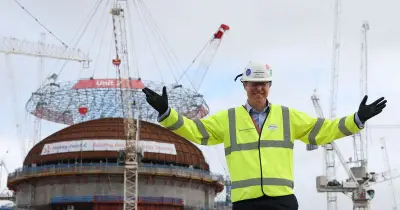
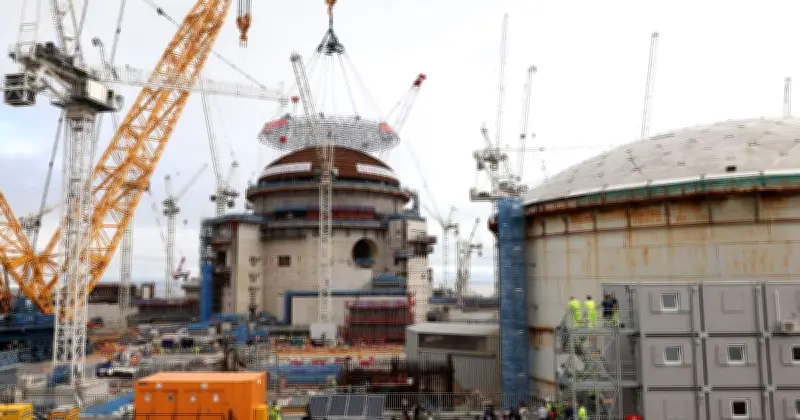
He added: "Perhaps the most egregious example is the £700 million fish disco at Hinkley Point C. This saga has dragged out the construction of Britain’s first new nuclear power station this century for around a decade – still now we do not know whether it will be enough to get Natural England’s approval. Earlier this year, reports suggested the 2030 switch-on date will be delayed again because the quango has now decided the fish disco is not, on its own, sufficient."
The "fish disco" is a set of underwater speakers due to be placed at the development to scare away salmon and eels from the water intake pipes of the station.
Impact on household bills
Critics say the timing could hardly be worse for households, with analysis from the think tank Onward suggesting that the construction of more nuclear power could bring down household energy bills by around £500 a year.
A Natural England spokesperson said: "Natural England is not a blocker, and to suggest otherwise misunderstands our role entirely. We raise no objections to 99% of the planning applications we're consulted on, and final decisions on major infrastructure always rest with elected ministers."
The spokesperson added: "Bringing Natural England in early means identifying and addressing challenges before a project starts, rather than dealing with them one by one as it develops, which speeds up delivery rather than slowing it down. We are fully committed to helping this government build the homes and infrastructure Britain needs, while protecting the nature we all depend on."