
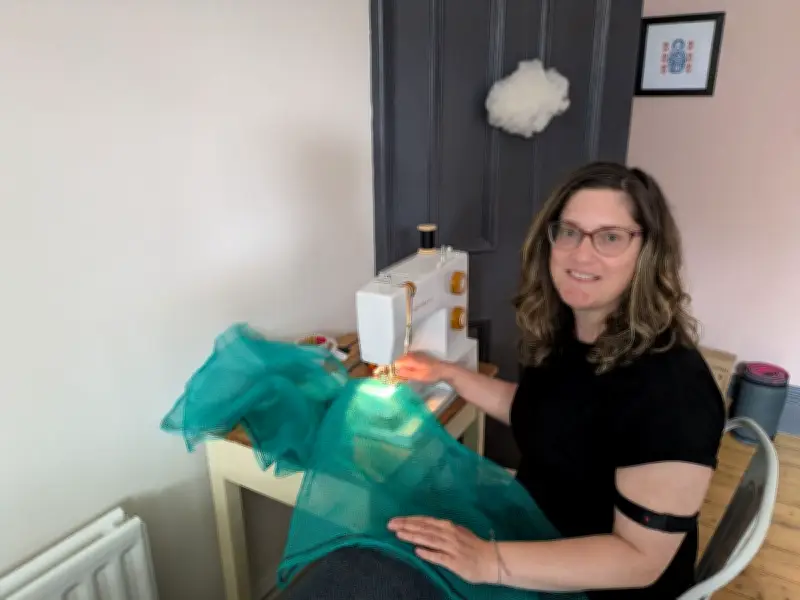
Thousands of volunteers are cleaning up beaches after 25 tonnes of nurdles spilled into the River Tyne from a ship collision on July 19. But one Monkseaton mum is contributing from home.
From home to the beach
Lou Shackleton, 44, runs her own business and has been sourcing and distributing scaffolding mesh to make bags for collecting nurdles. She also sews bags herself. The bags act like sieves, separating the 2-5mm pellets from sand.
Lou told ChronicleLive: "I can't believe how quickly it's taken off. I became the mesh bag lady, there's been request after request and we ramped up production massively. On Monday, we had made bags for 30 people and more than 100 turned up at Whitley Bay. They're reusable and when we finish with them they're going back to Nurdle UK, and they can be used any other place where this problem happens."
Overcoming illness to help
Due to a chronic illness, Lou finds it hard to join beach clean-ups. "I have kind of become the fixer for these bags!" she said. She got involved because nurdles are a "forever problem." She added: "They're a forever problem, they're going to be there even though we can't see them. It's awful to think of the impact it can have on our wildlife and the impact it has across the whole ecosystem."
Other volunteers step up
Jen Stobs, from Seaton Sluice, has made around 60 bags after donations from local businesses. She said: "We've received two rolls of scaffolding nets from Baldwin Scaffolding, and mesh, trugs and sieves from Cowell's. It's been about five years since I last used my sewing machine so it took me a while to thread it, but then I put some 90s rave music on and just got in the zone. I've made about 60 bags so far which will also eventually get reused by Nurdle UK for future beach cleanups. If we don't clean it up, it's going to be in our fish and chips supper."
Clean-up continues
More than 1,000 volunteers are co-ordinating via WhatsApp to clear beaches from Cambois in Northumberland to Roker and Seaburn in Sunderland. Further cleans are planned just after high tide. Organisers say the official response has been "too slow" and call for more cooperation with residents.




