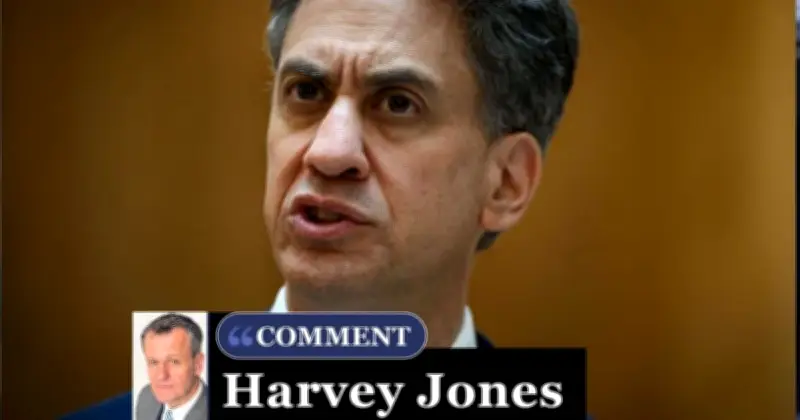
Energy Secretary Ed Miliband's election pledges to cut household energy bills by £300 and create 400,000 green jobs by 2030 are facing mounting scrutiny as costs rise and job creation lags.
When Labour took power in July 2024, Ofgem's energy price cap stood at £1,568 a year. It now stands at £1,663, some £95 more. In practice, it is higher, as the government shifted around £150 of clean-energy policy costs from energy bills onto general taxation. From October, the energy cap will rise to £1,723, making the total increase £305.
Pledges Under Pressure
Not all of the increase is Miliband's fault, with the Iran war sending wholesale energy prices soaring. However, the promised £300 saving has been overtaken by a £300 rise.

Miliband also unveiled £22 billion of planned public support for carbon capture and storage technology and £8.3 billion for his flagship Great British Energy quango, which was supposed to cut bills and create thousands of jobs.
Job Creation Concerns
SNP energy spokesman Graham Leadbitter MP said "1,000 energy jobs are being lost a month" while bills are nearly £600 higher than Labour promised. GB Energy responded that it has spent £100 million on green projects that will create 1,500 jobs across the UK, working out at roughly £66,667 of taxpayer money per job.
So far this year, 110,000 private sector jobs have gone, while 41,000 have been created in the public sector. If Miliband's £66,667-per-job arithmetic applied across his 400,000 green jobs pledge, it would cost the UK a staggering £26.7 billion.
The country needs productive jobs that make it richer, not jobs funded by taxpayers. The cost of 400,000 workers created by Miliband mathematics would leave the nation even deeper in the red.