
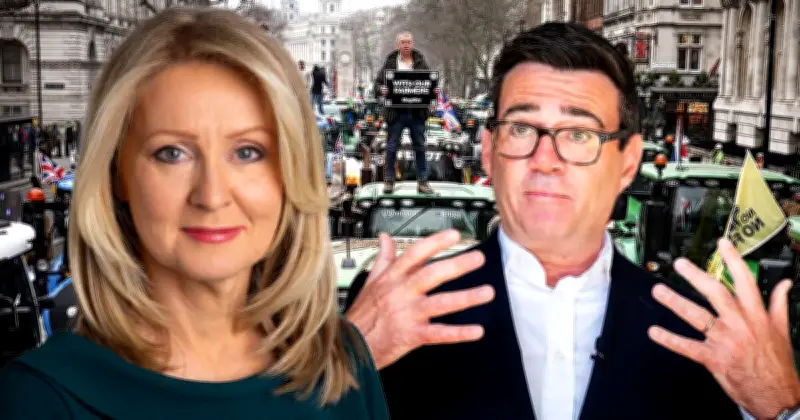
Labour is presiding over the collapse of British farming, according to Esther McVey, who argues that the government's policies have broken the promise of the 1947 Agriculture Act and left the UK in its worst food security crisis in decades.
Food security pledge broken
The Agriculture Act of 1947 was passed in the shadow of the Second World War with a simple mission – never to let this island nation go hungry again. It enshrined food security as a pillar of national security, a direct response to the extreme vulnerabilities exposed when German U-boat blockades nearly starved the nation into submission.
Today, that pledge has been broken. Self-sufficiency is at 60% by economic value, having fallen 5% in just the last two years. The UK is growing more dependent on international imports and can only feed itself for about 226 days of the year.
Farm taxes and closures
One of Labour's first acts in office was to introduce its Family Farm Tax, which shattered long-term confidence in the sector. Farmers stopped investing, and tractor and machinery sales plummeted to their lowest levels since the 1940s.
Combined with Rachel Reeves' hikes to Employers' National Insurance Contributions and the National Living Wage, and Ed Miliband's net zero and decarbonisation policies, the average farm has lost between 22% and 32% of its income over the last two years. This led to the closure of 6,390 agricultural businesses in 2025 alone – the highest annual number since the Office for National Statistics (ONS) began compiling quarterly statistics in 2017. It appears that 2026 will follow the same pattern.
Drought package dismissed
Farmers have faced one crisis on top of another. Terrible crops due to spring floods and this summer's drought have taken over £1.35billion from arable incomes in the last two years. The price of tractor diesel has jumped 40%, and fertiliser costs have surged due to ongoing incidents in the Strait of Hormuz.
Andy Burnham's recently announced £65million emergency drought package might sound good on a press release, but it is more smoke and mirrors. It is not new money for farmers – it's recycled and redirected support which works out at just £650 per farm. This will not touch the sides for farmers on their knees, and grocery prices are likely to continue going up, despite having already jumped 30.1% since 2022. The only thing keeping costs down at the moment are price wars between supermarkets and food shrinkflation, but that cannot last forever.
No nation can consider itself secure if it cannot feed its own people. The British farmer must once again be treated as a frontline defender of national security, and British farming must be backed before the tractor engines stop for good, leaving the UK a permanent hostage to foreign countries.




