
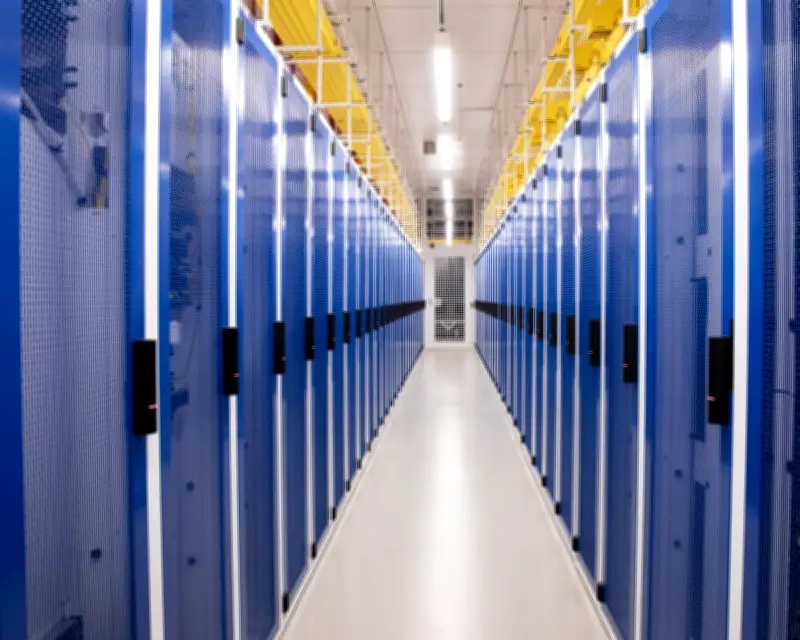
The federal Labor government says it will continue with plans to impose energy and water usage rules on datacentres, despite objections from Queensland and the Northern Territory. The announcement came after a meeting of state and federal energy ministers on Tuesday.
States divided on renewables mandate
Queensland and the NT rejected Prime Minister Anthony Albanese's proposals to regulate the booming technology, describing them as “underdeveloped ideas that hand increased power to Canberra”. The Liberal-National government in Queensland had previously raised concerns about a renewables mandate at an energy ministers’ meeting in May, the only holdout at that time. On Tuesday, the NT joined Queensland in opposing further proposals.
All other states backed the commonwealth’s plan for nationally consistent rules on datacentres, including underwriting new renewables, offsetting power use, and mandating that consumers face no price impacts.
Federal government to press ahead
Federal government sources said Queensland and the NT’s opposition would not stymie the roadmap, and work to deliver nationally consistent rules would continue. The federal government is also examining whether it can set price protections to shield Australians from any energy bill spikes related to the datacentre boom.
Albanese has pledged to legislate binding standards for AI companies, including on locations and energy use. Datacentres would be required to generate renewable energy, minimise water use, and maximise energy efficiency. There would be a “legal obligation” for new datacentres to underwrite new power supply, pay for their grid connection costs, and “put at least as much energy into our grid as they take out of it”.
S&P warns of price rises
The economic rating agency S&P Global warned that power use from datacentres could rise five-fold by 2035 to 10% of Australia’s total consumption. It said a mismatch between delivery timelines for datacentres (18-24 months) and renewable projects (three to five years) could lead to energy bills skyrocketing. The agency also cited Sydney Water’s estimates that datacentres could use 15% to 20% of the city’s water by 2035.
“If renewable and storage infrastructure fails to keep pace, the government’s Clean Energy Finance Corp. estimates wholesale prices could rise by 25% across states, with emissions rising by 14%,” the report said.
Public concerns
This week’s Guardian Essential poll found Australians were reluctant to embrace new AI datacentres, with less than a third saying they would be happy to have a facility in their area. Sixty-one percent raised concerns about impact on energy demand and power prices, 44% were worried about water supply, and 41% worried about environmental impacts and noise.




