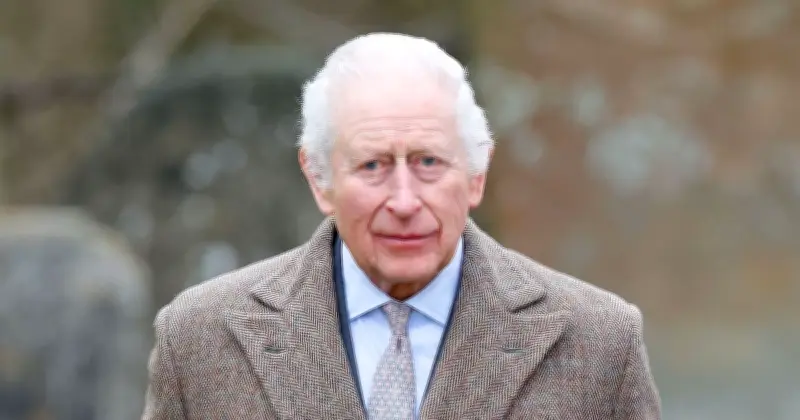
King Charles has been granted planning permission to add a bog to his residence in Sandringham. The development could affect his brother, Andrew Mountbatten-Windsor, who moved to Marsh Farm earlier this year.
Andrew's relocation and the new bog
Andrew was asked to leave his home at Royal Lodge in Windsor following questions over his links to convicted paedophile financier Jeffrey Epstein. He has always denied any wrongdoing in relation to Epstein. The new bog could now mean that wet and oozy conditions will be located close by to Andrew's new home.
King Charles recently moved a herd of cows onto the site, and the new proposed change would enable them to feed more effectively, reports Hello! Magazine. The cows are a breed of British Whites, which are among the earliest recorded domestic cattle breeds in Britain. The breed has roots dating back to Norfolk from the late 1700s.
Planning approval and project details
King Charles has been granted permission by King's Lynn and West Norfolk Council for the bog. Work is expected to start once Natural England also agrees to the project. An area of wetland will be created for the cattle to graze.
The area is a former marshland, but now the monarch plans to create a series of "bunds" to retain water and to make the land a bog again. In the application, it says: "Rewetting the land will be achieved via a gravity-fed inundation from the River Ingol via a scrape. The water will then be retained by a slight change in levels, including the creation of perimeter bunds around the edge of the site."
Conservation measures at Sandringham
The news comes after King Charles leased a part of the estate to a private company, which intends to restore the estate's wetlands, meadows and forest over the next 30 years. The king has implemented a variety of conservation and sustainability measures at Sandringham Estate.
The estate's official website says: "Stewardship is now essential to the estate and we recognise the need to address new challenges that arise regarding climate change, limitations with natural resources and enhanced threats to wildlife diversity and habitats."