
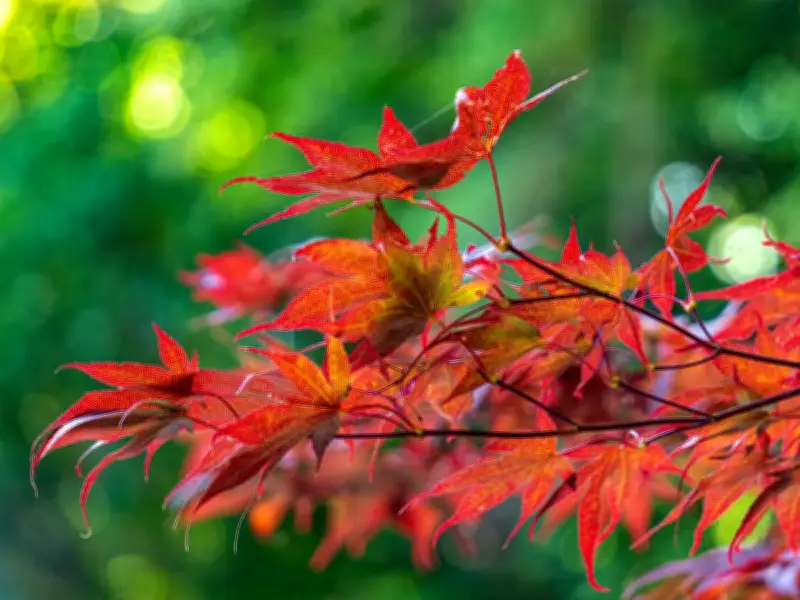
Japanese maples, celebrated for their vibrant seasonal colours and suitability for containers and small gardens, can face dieback in summer if their soil dries out. The main cause of dieback is a lack of moisture, according to gardening specialist Roger Eavis of Greenshutters Garden Centre.
Watering is Key
Eavis advises keeping the soil or compost well-watered and never letting it dry out. "If the leaves on your Japanese maples appear dry or scorched in summer, this is likely to be a lack of moisture. This is, by far, the main cause of dieback," he said.
Most Japanese maples thrive in direct sun if watered consistently: daily for potted trees during hot weather, and two or three times a week for those in the ground. Alternatively, plant them where they receive partial shade.
Adjusting to Weather
Monitor weather conditions and adjust watering frequency accordingly. During heatwaves or dry spells, increase watering; during heavy rain, reduce it to avoid waterlogging. These trees prefer steadily damp soil but not excess moisture.
Regularly check soil moisture by inserting a finger or moisture gauge one to two inches below the surface. If it feels dry, water the tree.
Deep Soaking and Timing
Water deeply—use a hose for several minutes or a sprinkler for an extended period for ground-planted trees. This encourages deeper root growth, enhancing drought resilience. For potted maples, water until liquid drains from the bottom, ensuring the entire root system is hydrated.
Watering in the early morning is ideal, reducing evaporation and allowing roots to absorb moisture before the heat of the day. Direct water at the base of the tree, as foliage watering is ineffective.




