Gardeners have been advised to carry out one crucial check before starting a routine yet essential task in their gardens this summer. Despite the intermittent rain and chilly spells of recent weeks, summer is fast approaching, with temperatures forecast to hit 28 degrees in certain parts of the UK this weekend.
With this in mind, many homeowners are eager to spruce up their gardens, transforming them into peaceful private retreats where they can unwind and enjoy the outdoors. Typically, this involves mowing and strimming lawns, repairing or replacing worn-out plant pots, setting up outdoor seating areas, and much more.
However, gardens are not simply extensions of our homes; they also serve as sanctuaries for all kinds of wildlife, including vital pollinators such as bumblebees, honeybees, wasps, drone flies, ladybirds, and beetles. They also offer safe refuge for hedgehogs in both urban and rural environments, resting spots for birds, and countless other creatures of all shapes and sizes.

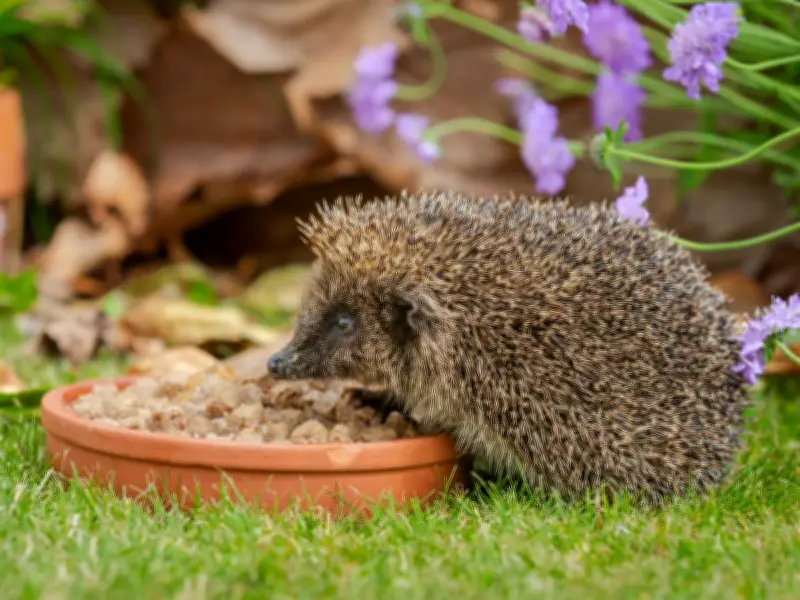
For hedgehogs, however, gardens can present real dangers, and unfortunately certain gardening activities can leave them seriously injured or worse. The RSPCA describes hedgehogs as an important part of the ecosystem and a gardener's friend because they eat beetles, caterpillars, worms, and other invertebrates that might harm plant life.
Routine tasks such as strimming are where gardeners must exercise particular caution, as hedgehogs can be badly injured or even killed by these tools. Advice published by the Royal Horticultural Society explains: To make your garden hedgehog-friendly, the first step is to remove any hazards and ensure tasks such as strimming are carried out in a hedgehog-aware way.
Always check the whole area carefully before strimming, and cut long grass with care. Strimmers are one of the biggest causes of fatal or severely injuring hedgehog accidents, so even if you haven't noticed hedgehogs in your garden, always check thoroughly before cutting long grass. Be aware that this habitat can also be full of other creatures such as amphibians and smaller mammals.
The guidance also recommends owners of robotic lawn mowers verify with manufacturers about safety features and whether protective measures exist to avoid harming hedgehogs and other small creatures. Hedgehogs frequently shelter in compost piles, so it's crucial to inspect yours before turning or digging through your compost.
Should you decide to leave your lawn slightly longer to benefit hedgehogs, this could bring additional advantages for wildlife. Longer turf creates an immediate environment that helps ground-nesting insects by offering them hiding places, alongside protection for other bugs. It's also superior at holding water, while certain unwelcome plants like dandelions offer nourishment for emerging spring insects, provided they're not mown too soon.
The RSPB states: Avoid using strimmers too, as they can injure hedgehogs, frogs and insect larvae. If you can resist mowing your lawn until late summer, this will mimic the hay meadows of old.