Anyone concerned about plans that could see terrestrial TV 'turned off' for millions has less than a week to respond. Campaigners for rural communities and for the vulnerable, such as the elderly, have called for the plans to be halted.
Concerns have been raised that people could be cut off, or forced to pay for expensive broadband services and even new televisions. A Green Paper published by the government last month laid out proposals to end aerial-based Digital Terrestrial Television (DTT) in favour of internet services instead, with the earliest date for the transition given as 2034. It would mean the end of Freeview, which reaches 12.9 million homes across the UK and is the main television platform for 40 per cent of households with a set.
Government defends need for change
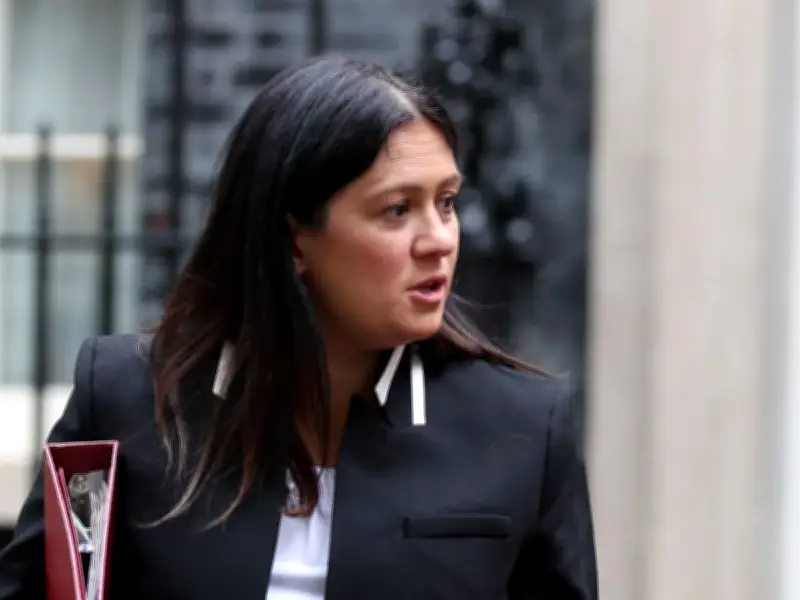
As the Green Paper was published, Culture Secretary Lisa Nandy said the move was needed as 'the media landscape moves further and further online'. A huge petition on Change.org has had almost 160,000 signatures - it said: "Millions of older and disabled people, and those on low and modest incomes, would lose their essential access to TV to keep them in touch with the world and to prevent isolation and loneliness."

The Department for Culture, Media and Sport has said that people interested can respond to the Green Paper - but the deadline is August 31. MP Perran Moon asked Ms Nandy: "What steps she is taking to ensure that television access remains universal and free to air after 2034."
DCMS minister Ian Murray replied: "On 23 June the Government published a Green Paper, Watch this Space: A new strategic direction for UK media, which sets out our commitment to ensuring people can continue to access free-to-air television and are adequately protected so that no one is left behind as viewing habits change. A final decision on the future of TV distribution after 2034 will be informed by this consultation."
Campaign groups urge delay
Broadcast 2040+ is among the campaign groups pushing for the changeover to be delayed until at least 2044, and has now written to Jenny Riddell-Carpenter, a minister in the Department for Environment, Food and Rural Affairs and former chair of Labour's Rural Research Group.
Broadcasters argue it is increasingly expensive to run dual transmission systems (both the traditional terrestrial aerial network and online streaming). Shutting down Freeview would save millions in distribution costs, freeing up that money for programming.
However, a big campaign has sprung up to try to save the service - because they claim it will unfairly target the elderly, vulnerable and people who live in rural areas. People will face having to sign up to broadband services and potentially have to buy new televisions.
Rural broadband gaps highlighted
Government data published last month also shows just 70 per cent of rural residences have access to gigabit-capable broadband, compared to 92 per cent in towns and cities. In the most rural areas, this dropped to just 60 per cent. As of November, Ofcom said 26,000 properties in England still lack adequate broadband connection at all. Critics argue that ending Freeview as early as 2034 will mean many homes will not have adequate broadband to be able to reliably watch TV, and could push millions into spending hundreds of pounds more on expensive internet packages and even new television sets.
Director of Silver Voices Dennis Reed warned switching off Freeview could become 'Burnham's winter fuel moment'. "Andy Burnham would be bonkers to proceed with this premature plan. Most affected would be low income families and pensioners who will not be able to afford the [broadband] contracts, and those in isolated and rural communities who cannot receive fast broadband at all."
A government spokesperson said: "There is a strong case for a long-term transition to IPTV [internet protocol television], but no decisions have been made. The purpose of the media green paper is to gather views from across the sector and the public before any final decisions are taken. We are committed to ensuring that no one is left behind as TV viewing increasingly moves online."
Most people are unaware this decision is even being considered. Nearly seven in 10 citizens do not know the government is about to decide the fate of Freeview, according to one survey reported by the Big Issue.

Natalie Ceeney, chair of the Connection Project, said: "Nobody is arguing that rural areas should lose their access to television. We're clear that a 2034 switchover requires ubiquitous broadband connectivity as well as the right service design and trusted support. It also unlocks the possibility of bringing more households into the digital world."