
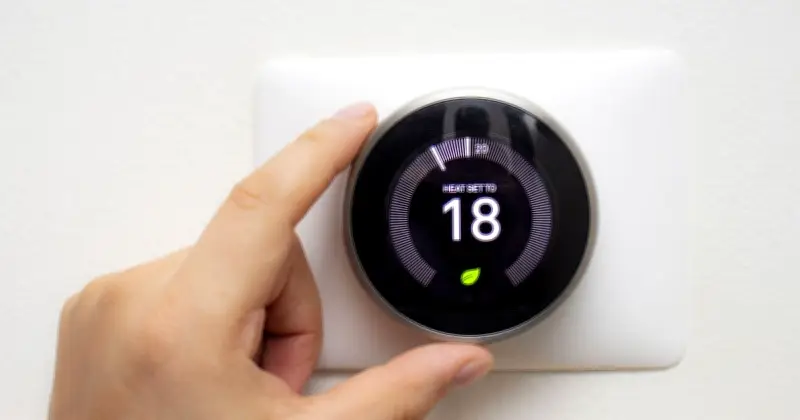
As the UK weather turns cold and wet again, households are switching their heating back on, reigniting the annual debate: is it cheaper to leave the heating on all day or to turn it on and off as needed?
Boiler Owners: Turn It On and Off
Experts at The Energy Saving Trust have weighed in, and their answer is clear. For those with a boiler, which remains the most common heating system, the Trust advises turning the heating on and off rather than leaving it running constantly.
The Trust stated: “If you have a boiler, then no – keeping your heating on all the time will use more energy and cost you more money. It’s more energy efficient, and better for your bills, to have your boiler come on when you need it.”
Heat Pumps: Leave It On
However, the advice differs for heat pump owners. According to the Trust, leaving the heating on all day is better for those with heat pumps, as it can save money. The Trust added: “But if you have a heat pump, then you can save money by leaving the heating on all day. Check out our advice on how to improve your heat pump’s efficiency.”
Alternative Views and Experimentation
Not everyone agrees with the Energy Saving Trust’s verdict. Martin Lewis’ Money Saving Expert (MSE) website notes that there are arguments “for and against it.” MSE stressed that Martin Lewis has not given his own verdict on the argument, and any claims that he has should not be taken seriously.
MSE reported: “We wish we could give you a definitive answer, but this question is far more complex than it first seems and we're not heating engineers or physicists. So please ignore clickbait publications erroneously crediting Martin with an answer – he knows a lot (too much) about energy bills, but this one isn't his or our bag. Ultimately, there are arguments for and against it, and it'll likely depend on the type of heating system, your usage pattern, and what type of home and insulation you have.”
MSE points to the “low and slow” method, which works best with modern boilers. This involves setting the boiler to a lower constant temperature, such as 18 or 19C, rather than turning it on and off all the time, which can help the boiler recover waste heat and operate more efficiently.
The website suggests an experiment: “Try a few days or a week with your heating on a constant low setting and then try only having the heating come on as and when you need it over the same time period and compare the energy use. Take meter readings at the start and end of each period and compare.”




