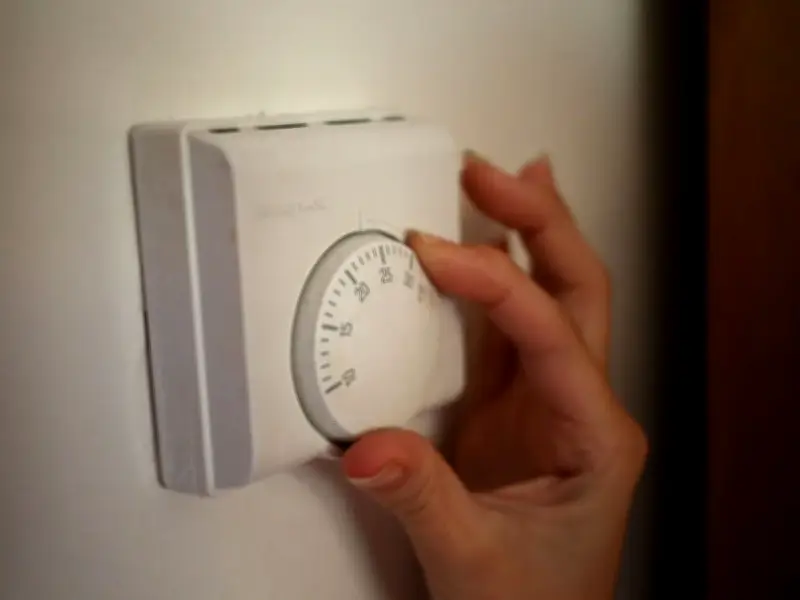
Ofgem is increasing its energy price cap by 4% from October 1, adding around £60 to the typical UK household's annual bill. The rise will be in effect for the three-month period to December 31, ahead of the winter months.
What the price cap rise means for households
The energy price cap sets the maximum price suppliers can charge customers in England, Scotland and Wales for each unit of gas and electricity. Ofgem said bills are increasing largely because of higher wholesale gas prices as a result of the ongoing conflict in the Middle East, which has pushed up the cost of supplying energy in the UK.
Colletta Smith, the BBC's cost of living correspondent, spoke on BBC's Morning Live about what the change means, with over 10 million households concerned about how they'll afford their gas and electricity bills this winter. Smith said: "The energy price cap is something that is set every three months and it changes. It's the amount that energy companies are allowed to charge us for both gas and electricity."

She added: "There's an increase, and I guess nobody will be surprised to hear that. It's a 4% increase. For a typical household, that's going to increase annual bills by around £60. A typical annual bill is going from £1,663 to £1,724 from October 1."
Government VAT reduction and fixed tariff options
To help people with the price increase, the government said it will remove VAT from electricity bills from October 1 to March 31, 2027. People will still pay 5% VAT for gas, meaning some households might not see the full impact of the VAT reduction on electricity in their bill.
Currently, about 35% of household energy accounts are on fixed tariffs and therefore unaffected by the rising price cap. Ofgem said households could make savings by choosing a fixed tariff, which are available at £100 or more below the October price cap.