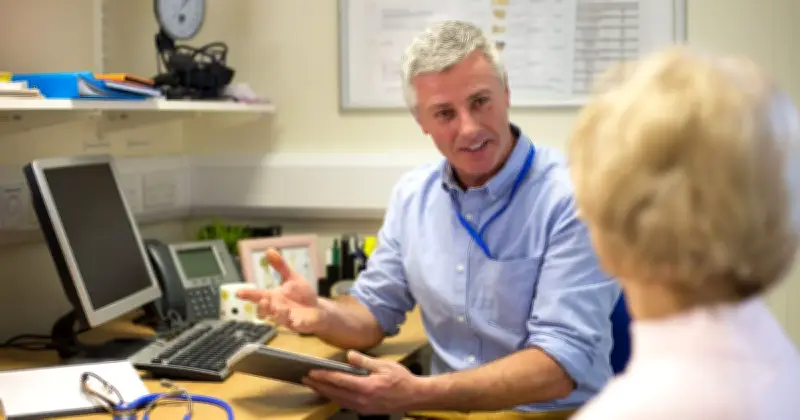
The Department for Work and Pensions (DWP) has confirmed that face-to-face and telephone assessments for Personal Independence Payment (PIP) and other disability and sickness benefits will now be audio recorded as standard, unless the claimant chooses to opt out.
The change covers assessments for PIP, as well as Work Capability Assessments for Universal Credit and Employment and Support Allowance (ESA). It will also apply to Industrial Injuries Disablement Benefit assessments. Previously, claimants had to ask for their assessment to be recorded, with the DWP saying fewer than 3% of people used the option.
New standard approach
Under the new system, recording will instead become the standard approach, although anybody who does not want their assessment recorded will still be able to opt out. The DWP says the move is designed to improve transparency and trust in the benefits system.
Written assessment reports will continue to form part of the decision-making process, but recordings will provide a more accurate account of what was said if they are needed.
Minister's statement
Disability and Social Security Minister Sir Stephen Timms said: "Improving transparency and trust in the benefits system is one of this Government’s key aims, which is why we’re making this important change.
"Audio recording health assessments as standard will mean we are available to make improvements and increase assessment quality, resulting in a better experience for claimants."
Wider review into PIP
The announcement comes as Sir Stephen leads a wider review into PIP and the way the benefit currently works. More than four million people across England and Wales receive PIP, which is designed to help people with the extra costs associated with a long-term health condition or disability.
The DWP has said changes to PIP will not be introduced until the review has concluded this autumn, with the department saying it wants to ensure the benefit is "fit and fair for the future".
An interim report published last month drew on evidence from more than 38,000 people and organisations. It found that the assessment process was creating barriers for many disabled people, particularly those with fluctuating conditions, less visible disabilities and multiple health conditions.
Sir Stephen said: "This interim report delivers a clear message: while PIP is widely valued as a benefit, it is not working as intended and needs fundamental change."
He added: "Our work so far has been informed by a wide range of evidence, expertise and insight to ensure we hear from as many disabled people as possible across the country, including through workshops, engagement and a call for evidence which attracted more than 38,000 responses."
Harriet Edwards, Director of Influencing at disability charity Sense, welcomed the findings. She said: "Too many disabled people are being failed by the current benefits system, and we welcome the Timms Review's acknowledgment of this."
She added: "As the Timms Review moves into its next phase, we urge the review team to ensure its recommendations are driven by the goal of improving disabled people's lives, not reducing public spending. Changes to welfare must remove barriers, strengthen support and build a system that treats disabled people with dignity, respect and trust."