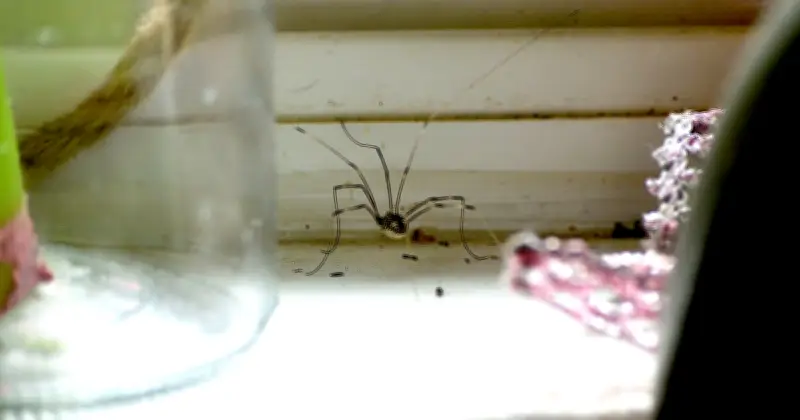
Homeowners have been warned that a simple household item could be making homes more inviting to spiders without them knowing or noticing. As September continues, spiders may become far more active inside homes, searching for food, shelter and places to mate. While finding the occasional spider indoors is normal, an increase in activity can leave many wondering what might be attracting them.
Houseplants can lure spiders
Experts have pointed to an everyday household item that can make a home more appealing to spiders. Household advice writer Ella Duggan at Good Housekeeping shared: "If you're finding you're spotting spiders much more frequently at the moment, you're not alone, but it could be your own doing."
She continued: "Overwatered, damp soil and decaying leaves attract flies. Specifically, fungus gnats, a favourite snack of, you guessed it – spiders."

What experts say about plants and pests
Natalie Bungay, head of membership and technical at British Pest Control Association, added: "The common house spider won't be attracted by houseplants themselves, but they may be attracted by small aphids or flies seen near the plants."
Indoor plants can also provide spiders with shelter. Species including cellar, cobweb and jumping spiders are commonly found around houseplants. Other pests are also attracted to indoor plants, such as mealybugs, spider mites, scale insects and whiteflies. These bugs thrive in the moisture and shelter that plants provide.
Types of plants and deterrent tips
Certain houseplants are more likely to attract spiders, particularly those with tall, dense foliage that provides plenty of hiding spots, such as ivy, ferns, philodendrons, bromeliads and spider plants, reported pest control experts at Terminix. However, conditions around any indoor plant can make it more appealing, with excess moisture, fallen leaves and other organic debris providing shelter and attracting insects.
To keep spiders away from indoor plants, homeowners should regularly clean the leaves and the surrounding areas of their pots. They should also remove dead foliage and avoid overwatering this season to prevent the soil from becoming overly wet. Another tip is to check new houseplants, flowers, firewood and other outdoor items before bringing them inside, while sealing gaps around windows and doors can help prevent spiders from getting in.
If webs, egg sacs or spiders are spotted on plants, they can be removed gently with a soft brush or vacuum. For those without houseplants who are still spotting spiders, a simple spray solution can help. DIY content creator Kamana Bhaskaran took to Instagram to reveal that water and peppermint oil work as a natural deterrent. She advised: "Fill a spray bottle with water, add peppermint oil and mix." In the video, she specified using two cups of water and 12 to 15 drops of peppermint oil.
The creator is then seen spraying cracks and doorways in her home. She explained that the scent emitted by menthol compounds in peppermint naturally repels spiders, deterring them from entering homes.