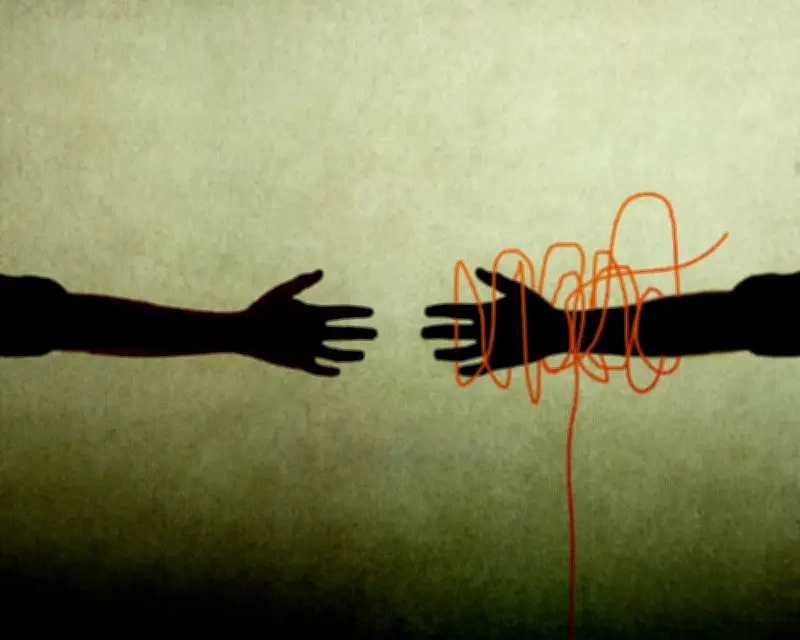
Queensland and the Northern Territory are considering changes to their child protection systems that erode protections put in place in the 1990s to keep Aboriginal families together, sparking outrage among Indigenous advocates who say culture is safety for children.
Proposed Changes and Concerns
The Northern Territory is proposing to replace the Aboriginal and Torres Strait Islander Child Placement Principle (ATSICPP) with a "universal principle," stating that a child "must be removed … if there is a significant and likely risk of harm" and placed in "close proximity" to family. In Queensland, the child safety commission of inquiry recommended considering adoption as a "genuine permanency option" for children who cannot return to their families, including Indigenous children.
Indigenous advocates argue these changes weaken the framework designed to ensure connection to family, culture, community and country, and that removal from Indigenous families is a last resort. The ATSICPP was born out of trauma from the Stolen Generations, a genocidal policy that removed between one in 10 and one in three Indigenous children from their families between 1910 and 1970.

Voices from the Community
Melissa, an Aboriginal and South Sea Islander woman from Brisbane, has been a haven for children in her family entangled with the child protection system. She says her mother fought to keep the family together after her brother's children were removed. "My mother was so strong in that these are our babies, and you will be with us. We are family," she tells Guardian Australia.
Kay Smith, a former foster carer in Alice Springs, raised three Aboriginal siblings and ensured they maintained connections to culture, language and ceremony. She opposes the NT changes, saying Indigenous children are best cared for in community and focus should be on addressing structural inequalities like poor housing and healthcare.
Expert Opinions
Catherine Liddle, CEO of SNAICC – National Voice for Our Children, says child safety is paramount but being waylaid by "debate and politicking." She states, "There should not be a debate between culture and safety. Culture is safety." Barrister Joshua Creamer, a Waanyi and Kalkadoon man, says the Queensland recommendation to consider adoption is inconsistent with evidence, as adoption cuts all ties with family. The 1997 Bringing them Home report found an estimated 17% of children removed during the Stolen Generations were adopted, mostly by non-Indigenous families, leading to abuse, intergenerational trauma and disconnection.
Government Responses
NT children's minister Robyn Cahill defended the changes, saying the ATSICPP continues to guide decision-making with connections to family and culture "a priority wherever it is safe to do so." She says concerns arise from a "fundamental misunderstanding" of the bill's intent to reduce children in out-of-home care. A Queensland child safety department spokesperson said the government accepted most recommendations and was committed to improving outcomes for First Nations children.