
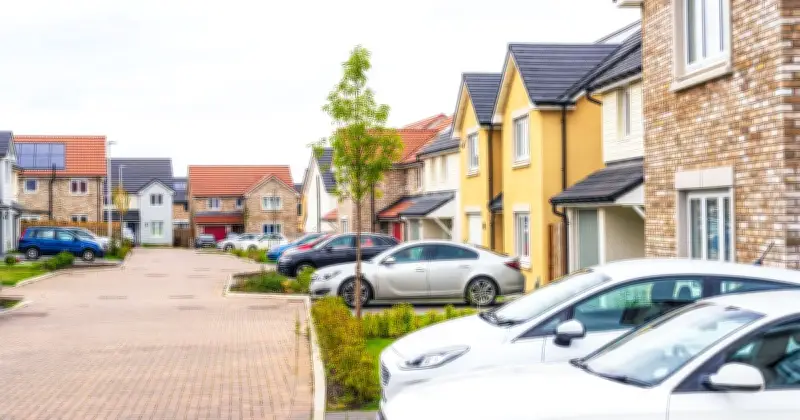
From October 1, the VAT rate on domestic electricity will be cut from 5% to 0%, a change overseen by Prime Minister Andy Burnham that directly lowers the cost of charging an electric vehicle at home on a driveway.
According to analysis from New Automotive, EV owners using a dedicated charger on a standard tariff stand to save roughly £27 per car each year. Drivers on a special dedicated off-peak EV tariff will see smaller savings of about £13 per car per year, because these tariffs are already heavily discounted, leaving less VAT to abolish.
Savings vary widely by charging habits
Industry analysts emphasised that any savings figure is an educated guess, as outcomes depend on individual factors such as annual mileage, energy plans and battery capacity. Estimates range from £13 per year on off-peak tariffs to £21 per year for alternative home setups, while Andersen EV CEO David Martell calculated typical savings at £20 to £25 per year, rising to £40 for high-mileage drivers.
At the higher end, Carwow’s calculations showed that drivers topping up a large 100kWh battery once a week could save around £65 annually under the 0% VAT rate. Overall, predicted savings range from £13 to £65, depending entirely on how and when a driver charges.
Industry welcomes the tax cut
Tanya Sinclair, CEO of Electric Vehicles UK, told the Express she welcomed the decision: "Cutting VAT on household electricity makes driving electric even cheaper, with EV owners who charge at home saving up to £27 a year from the tax cut alone".
Robin Heap, CEO of EV charging firm Zest, also called the policy "good news for EV drivers with a driveway".
Public charging users miss out
While the tax cut promises lower bills for domestic users, it also highlights a growing divide among road users. Because the 0% VAT rate applies strictly to domestic electricity supplies, motorists who rely on public charging bays will miss out on the tax relief entirely. Public charging points remain subject to a 20% VAT rate, further widening the financial gap between drivers with private driveways and those without.




