
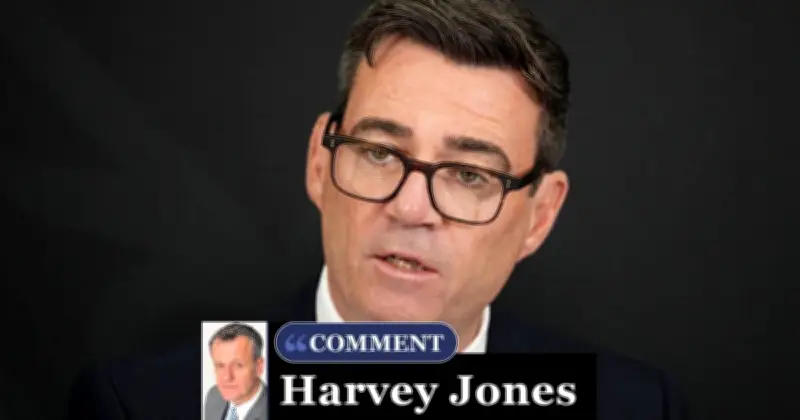
Andy Burnham has embarked on what many consider a politically perilous mission: reforming social care. The sector has seen 22 failed attempts since Tony Blair first urged action in 1997. Boris Johnson and Theresa May also struggled, while former PM Keir Starmer avoided the issue entirely.
Unmet Needs and NHS Pressure
Nearly two million older people in England face unmet social care needs, struggling with basic tasks like dressing and bathing. The system's strain on the NHS is severe, with patients stuck in hospitals who could be cared for at home. Burnham has warned the NHS could collapse without reform.
The Cost Challenge
Financing reform is the central obstacle. Proposed options include a 10% levy on estates at death, branded a “death tax” and estimated to cost average homeowners £75,000 according to Reform UK, or a 1.8% tax on workers. Both face criticism: the estate tax could hit families already paying 40% inheritance tax, while the worker tax burdens younger generations amid high living costs.
Taxes are at record highs, and the government plans to borrow another £130 billion this year. An NHS-style social care system could require an extra £18.5 billion annually by 2035, rising as the population ages.
Political Hurdles
Burnham seeks cross-party support but has already clashed with Nigel Farage by excluding Reform UK from talks. The Conservatives may be reluctant, recalling Theresa May's 2017 “dementia tax” debacle. Tough choices loom, such as cutting welfare or ending the state pension triple lock.
Despite the odds, Burnham aims to bring optimism to British politics, avoiding the doom-laden approach of Starmer and Reeves. However, an £18.5 billion gap cannot be filled with optimism alone—taxpayers will have to foot the bill.




