
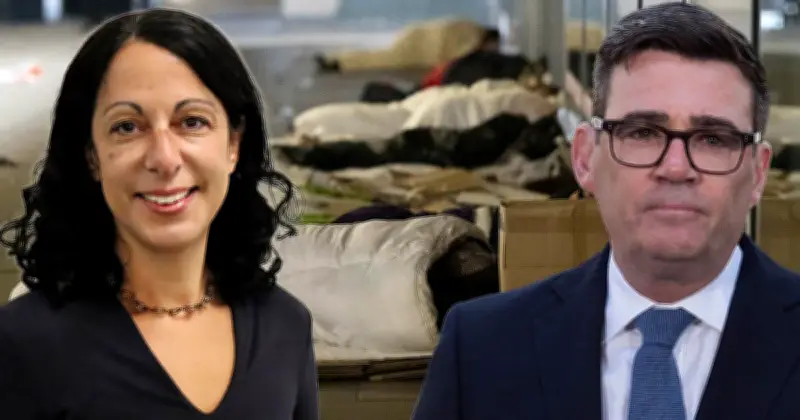
When Andy Burnham stood outside Number 10 as the incoming Prime Minister, he pledged to end rough sleeping in the UK. St Mungo's chief executive Emma Haddad has welcomed the commitment but warned that tackling homelessness requires more than housing alone.
Burnham's Manchester Record
Burnham previously pledged to end rough sleeping in Greater Manchester by 2020. During the pandemic, rough sleeping levels dropped dramatically thanks to the government's Everyone In initiative. However, after short-term funding ended, numbers rose again, though to almost half of 2017's record highs. Haddad noted that this shows rough sleeping is not inevitable when leadership comes from the top.
A Holistic Approach Needed
St Mungo's supported more than 28,000 people experiencing homelessness last year. Haddad argued that homelessness is not simply a housing problem—many have experienced trauma, violence, or abuse, and have complex health needs. She cited Burnham's success in Manchester with emergency accommodation (A Bed For Every Night) and the long-term Housing First scheme, which provides wraparound support alongside a tenancy.
Individualised Solutions
The charity launched the I Was Here campaign, highlighting four individuals—Lee, Lawretta, Ray and Tamika—through street art murals in London, Bristol and Reading, created with artist Luke Embden. Haddad stressed that effective solutions must be tailored to individuals rather than using a one-size-fits-all approach.
Broader Challenges
Haddad acknowledged that Burnham inherits a housing and cost-of-living crisis, which previously limited his Manchester model's success. Now in Number 10, he must drive national reform addressing the key drivers of rough sleeping, including affordable housing shortages and underfunded support services.




