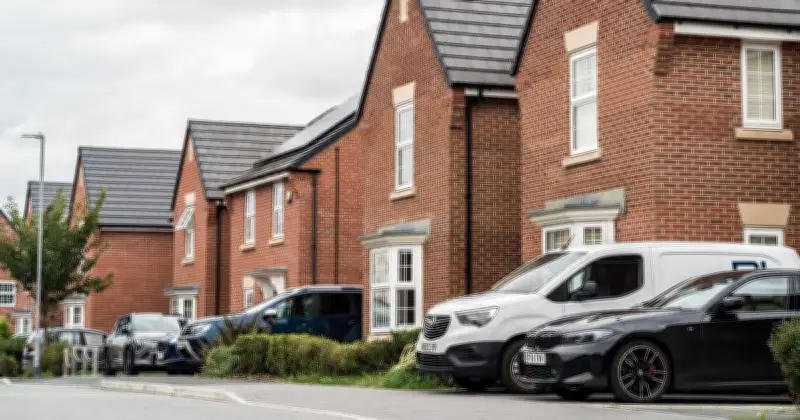
Electric car owners are facing a “class divide” because of driveway charging rules, with those charging at home paying considerably less than those relying on public bays. The issue has put Andy Burnham under pressure to change the plan.
Motorists who charge their electric vehicles at home pay 0% VAT, with rates as low as 7p per kWh. By contrast, VAT is charged at 20% at public plugs, where fees are around 50p per kWh.
Cost difference of £1,000 a year
StartRescue has suggested that those topping up in public are paying as much as £1,000 more per year. Over the course of 10,000 miles, road users pay just £175 to charge at home, compared with around £1,125 for those using public chargers.
Start Rescue explained: “It’s clear that homeowners with chargers and off-street parking enjoy much lower charging costs, more convenience, and an overall better ownership experience. Conversely, those who must use public chargers face higher costs, significantly more hassle, and a larger degree of uncertainty.
“While there has been much talk of EVs versus petrol/diesel ownership, perhaps the real divide revolves around whether or not you have a driveway.”
VAT cut and criticism
Andy Burnham has come under fire after the Prime Minister decided to slash domestic VAT rates from 5% to 0% from October 1. Start Rescue added: “Being able to park up right outside your home and plug into a domestic electric car charging point means lower charging costs, more convenience, better battery management, and last but not least, less time spent waiting for chargers. This ‘class divide’ is even bigger when you look at being able to access smart tariffs and overnight rates.”
EV owners charging at home will save under the plan, but the policy has been criticised as unfair by many in the motoring industry for strengthening the divide between domestic and public fees.
Analysis from Hippo Leasing has suggested that equalising public charging VAT with the previous 5% domestic rate could have saved high-mileage EV drivers around £389 a year.
Concerns over fairness
Ben Nelmes, CEO of New AutoMotive, stressed it was simply “not fair” that people who cannot charge their electric car at home must pay significantly more. StartRescue added: “The uncomfortable truth is that EV adoption may become the preserve of better-off households. Public policy on EVs inadvertently winded up favouring property owners.”