
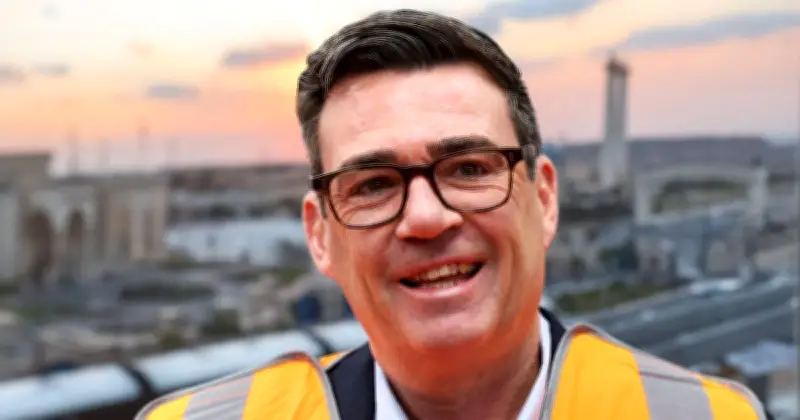
Andy Burnham has been warned that his devolution plans could do more harm than good in some of the country’s most deprived communities unless he involves local councils. The warning came from Chris Cooke, Labour mayor of Middlesbrough and chairman of a group representing 50 urban authorities in the Northern, Midland and South-coast regions of England. He urged the Prime Minister to consult council leaders about plans to transfer power out of Westminster.
Concerns over regional mayors and funding
Mr Burnham’s proposals include handing regional mayors a share of income tax revenues for the first time. But the focus has been on regional mayors and combined authorities, while smaller local councils say they must also be included in the plans. Mr Cooke said handing power to a small number of regional mayors “doesn’t feel like it’s moved much closer to the people”.
He said it would be “incredibly dangerous” if devolution meant funding was cut from local councils and handed to regional bodies instead. “If you want to talk about how we can affect local communities in a much closer and more accurate way, then actually that’s the role of local councils, which are much better placed to understand areas,” he added.
Regional bodies vs. local councils
Regional bodies were able to deliver large infrastructure projects, he said, “but it can get much more difficult to understand what is needed at street level”. There is also concern that allowing regions to raise more funding locally, for example through local income taxes or retaining business rates, could disadvantage areas with high levels of poverty or unemployment.
Many of the authorities in the Special Interest Group of Municipal Authorities, which Mr Cooke chairs, have high levels of deprivation. Urging ministers to include councils in discussions about devolution plans, he said: “This matters for our residents, this matters for our towns and our cities, and we want to be at the table, we want to be there.”
Public opposition to tax devolution
Mr Burnham was the regional mayor for Greater Manchester before becoming Prime Minister. Local income taxes would be unpopular with voters, a new poll showed. The Ipsos survey found 46% oppose letting local authorities or regional mayors set personal income tax, nearly double the proportion who support the measure (24%). And 53% said they expected higher taxes in the future if tax powers are devolved.
Rachel Brisley, Ipsos research director for place and English devolution, said: “Our latest research shows that while Britons remain overwhelmingly positive about the communities they live in, local pride does not automatically translate into an appetite for personal fiscal devolution or further powers. The public draws a firm line between local decision-making and their paycheques, with opposition to regional personal income tax powers outstripping support by nearly two to one.”




