The government is advising British people to take small but important steps as it updates its advice on being prepared for disasters such as extreme weather, war, or a cyber-invasion. It comes after ministers were warned back in May that the UK's vital supply chains were unprepared for the possibility of a major shock.
Climate and cyber risks highlighted
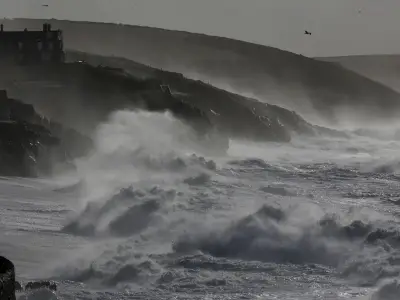
"The risks we face from climate change cannot be underestimated," Darren Jones, the chief secretary to the prime minister, told MPs. After a record-breaking hot and dry summer in the UK and Europe, he warned that extreme weather could bring "significant and prolonged disruption to essential services".
Meanwhile, the rise of artificial intelligence poses a growing threat of cybercrime, he warned. Recently, seven new types of crises have been added to the UK's national risk register, including cyber attacks on vital data infrastructure and the threat of foreign interference in UK democracy.

European guidance lists 11 items
In light of several possible crises that could affect citizens across the UK, ministers were warned that Britain needs to catch up with other European countries in preparing for the worst-case scenario. Recently, countries like Norway and Sweden have issued fresh advice for their citizens, including preparations they should make in case of a nationwide emergency.
The European Commission lists 11 items that people should have ready to go in case of a major crisis, such as a loss of power, extreme weather, civil unrest or conflict. The items on the list are:
- Bottled water and portable water filters
- Non-perishable food and energy bars
- Torches and backup batteries
- Fire-starting tools
- First-aid kit
- Warm clothing and shelter equipment
- Multi-tool or survival knife
- Communication devices such as radios
- Important identification documents
- Cash
- Navigation tools such as a compass and maps
Public awareness campaign planned
Jones revealed earlier this summer that a public awareness campaign would be launched to help people become more knowledgeable about the steps they can take to prepare.
"Throughout our history, the UK has overcome challenges, from plagues and pandemics to war, and our fair share of wet weather," he said. "It is right that we consistently evaluate the risks we could face and plan for what may come."
"This year we saw temperatures across the UK breaking records in May, only to be exceeded again in June, and AI offers new ways for criminals to carry out cyber-attacks against us, as well as offering huge opportunities for our economy and security," he added.