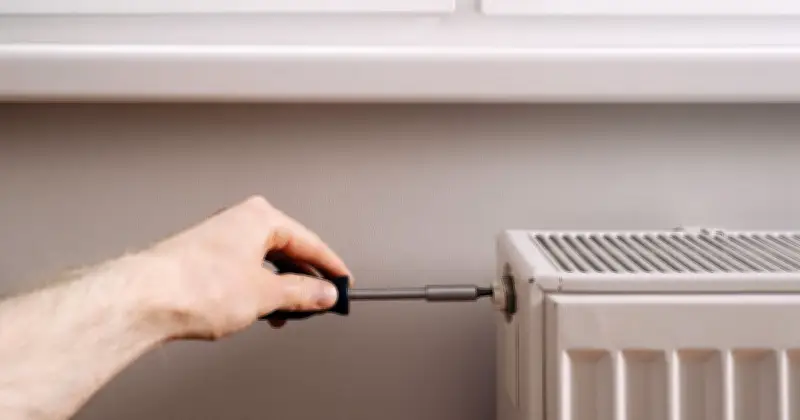
Households are being urged to spend around £1 on an allen key to bleed their radiators before switching on central heating this autumn. Trapped air can prevent radiators from heating up fully, reducing efficiency and potentially leading to corrosion in the system over time.
As temperatures drop, many people will notice that some rooms are not warming up as they should. Cold patches on a radiator often indicate trapped air, which can be released by bleeding the radiator. A radiator key or allen key that fits the radiator is required, and these are available for roughly £1 at most DIY stores.
Why bleeding radiators matters
Bleeding radiators is described as a straightforward but important task for the health and efficiency of a central heating system. Letting trapped air escape allows water to flow freely around the radiator, making it hotter and more effective when the heating is turned on.
Will Schofield, an engineer at boiler firm BOXT, explained the signs that bleeding is needed: "Are your radiators not getting as hot as usual? Are they only warming up towards the bottom or in certain areas? Or are they making some odd noises as they heat up? It may be time to give your radiators a bleed."
How to bleed a radiator correctly
Schofield described the process as "quick and easy," involving allowing pockets of trapped air to escape. He warned that if trapped air is left inside radiators, it will cause them not to heat up fully and become less efficient, and could promote corrosion within the central heating system if left long term.
The engineer noted that needing to bleed radiators does not automatically indicate a larger or more serious issue with the central heating, so there is no need to call an engineer immediately. It is simply a regular maintenance task.
Schofield recommended bleeding radiators around twice a year to keep the central heating running efficiently and to help keep energy bills under control.