Liverpool households are being warned about bathroom items that are now banned from recycling bins under England's new Simpler Recycling reforms. The regulations, which came into force on March 31, aim to simplify recycling, reduce landfill waste, and boost sustainability. Failure to follow the updated guidance could result in your bin being left uncollected.
What are the new recycling rules?
The UK's Simpler Recycling reforms, introduced under the Environment Act 2021, have made mandatory, uniform recycling requirements for businesses and households across England. This includes separate collections for food waste, paper and card, glass, metal, and plastic. Local authorities must provide clear guidance on recyclable materials, though some councils are exempt until at least 2040. It's essential to check with your local authority whether these rules apply to you.
Bathroom items you can't recycle
Bathroom waste often causes confusion about what is recyclable. Here are the key items now banned from recycling bins:
- Absorbent hygiene products (AHPs): Nappies, period products, and incontinence products are not required to be collected by local authorities. They should never be flushed down the toilet. Dispose of them in general waste bins or via specialist hygiene collection services.
- Cotton wool and makeup pads: These are not suitable for recycling and should go in your general waste bin. Do not flush them, as they swell when wet and can block pipes.
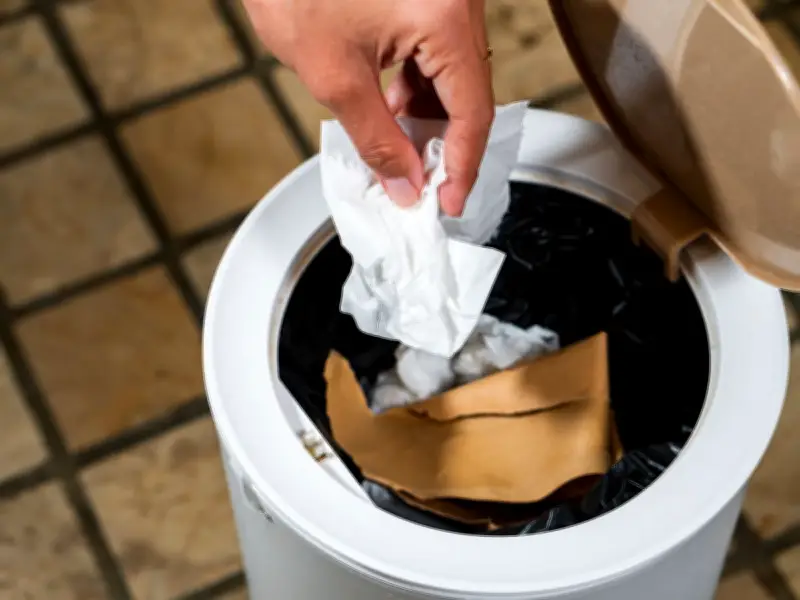
- Tissue or toilet paper: Despite being paper-based, tissues and toilet paper contain very short fibres that are not of sufficient quality for recycling. Tissues go in general waste; toilet paper can be flushed.
- Wet wipes: Baby wipes, cosmetic wipes, cleaning wipes, and moist toilet tissues are not recyclable or flushable. They must be placed in the general waste bin.
- Mirrors: Mirrors have a metallic coating that contaminates glass recycling. Take old mirrors to a recycling centre for proper disposal. If in good condition, consider donating them to a charity shop or offering them to friends or relatives.
Always follow your local council's guidance to avoid bins being left uncollected. The new rules are designed to make recycling easier and more effective for everyone.