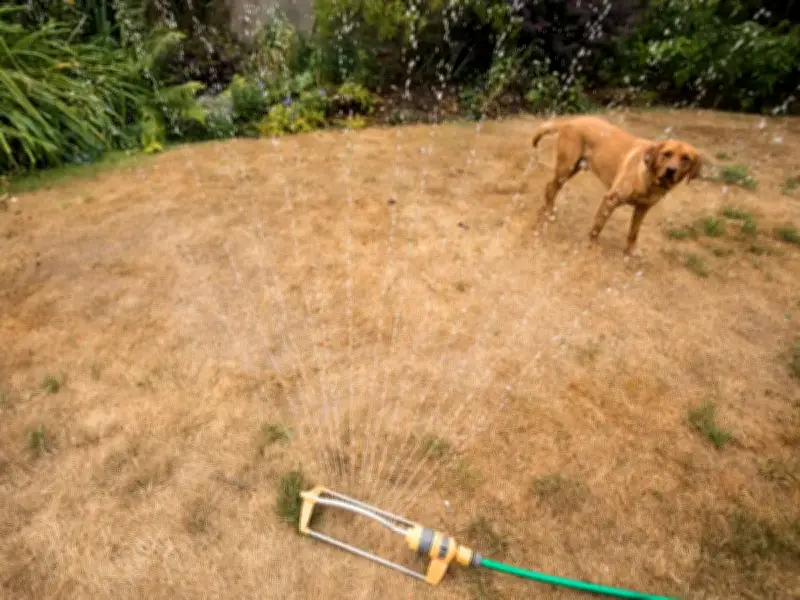
Gardeners across the UK are being urged not to make rash decisions as they attempt to bring brown, dry lawns back to life following the sweltering summer heat.
A summer of relentless temperatures and lack of rainfall has left many UK gardens looking straw-like with cracked soil and dying plants. However, gardening specialists say early autumn provides the ideal opportunity to repair damaged green spaces before winter sets in.
Why over-tidying can hurt your garden
According to trade marketplace MyBuilder.com, one of the biggest mistakes homeowners make at this time of year is giving their gardens "too much of a tidy". While clearing away fallen leaves and twigs might seem like the natural thing to do, "overcleaning" can actually strip away vital cover that traps moisture and nutrients in the soil.
James Lewis, a gardening expert at MyBuilder.com, explained that patience is essential when restoring damaged lawns and plants.
He said: "Over the summer our gardens have been put through hell, with the hosepipe bans, hot weather, and lack of rainfall making this summer hard to keep our gardens full of life.
"The key this autumn is to give your garden time, don't make any rash decisions. It will take time for your garden to regain strength. Some plants may take weeks, while others may take much longer, depending on the plants and how severe the damage is."
How to revive your lawn this autumn
MyBuilder.com has shared simple steps to restore brown lawns:
- Give it time: Be patient and give grass time to regain strength and original colour.
- Rake out thatch: Remove dead grass roots, stems, and debris built up below the surface so moisture and nutrients can reach the roots.
- Aerate compacted ground: Spike hard, high-traffic areas with a fork or aerator to create holes 10–15 cm deep, allowing air and water to soak in.
- Reseed bare patches: Add grass seed to sparse areas and keep soil moist to establish thicker growth within weeks.
- Keep mowing wisely: Raise mower blades higher to protect the soil and leave clippings on the lawn to return valuable nutrients.
Protecting the rest of your garden
For borders and beds, adding two to three inches of mulch around plants helps retain dampness during dry periods. If watering, do so early in the morning or late in the evening to prevent evaporation. Homeowners are also advised to check for new green shoots before assuming wilted or brown plants are dead.
Looking ahead to future heatwaves, experts suggest planting drought-tolerant "Mediterranean" plants such as lavender, rosemary, and olive trees, or opting for tougher ground cover like clover or creeping thyme. However, artificial grass is strongly advised against, as it can heat up dangerously during summer while damaging wildlife habitats.