
On 11 August, millions of Australians will complete the compulsory 2026 census form, answering new questions on sexual orientation and gender for the first time.
Held every five years, the census records important details about each person to help inform the country, including governments, about Australia's demographics.
This year's census includes changes, such as new questions about gender and sexuality, which one expert says will make it "probably the most progressive census Australia has ever seen".
What's the point of the census?
First conducted 115 years ago, the census is a compulsory national population count that provides one of the most comprehensive snapshots of "the economic, social and cultural makeup of the country", according to the Australian Bureau of Statistics (ABS).
Collecting data on every person and household in Australia on census night, the form asks questions about age, occupation, country of birth, religion, ancestry, spoken languages, work and education.
National census spokesperson Emily Walter says the data has far-reaching implications, informing planning and strategy at all levels of government across health, education, transport, infrastructure and social services, to "support the community the way it needs to be".
Online or paper?
During the first census in 1911, thousands of field officers travelled by horse, cart and bicycle to collect the forms, and the data was calculated by hand.
Digital forms have become the norm, with almost 80% of people completing the 2021 census online, up from 63% in 2016. Paper forms are still available.
The ABS said 30,000 field staff will be deployed to reach every person in Australia, including those in remote communities and people experiencing homelessness. Every person in the country must complete the survey, including Australian residents, international tourists and temporary visa holders.
What's changing in 2026?
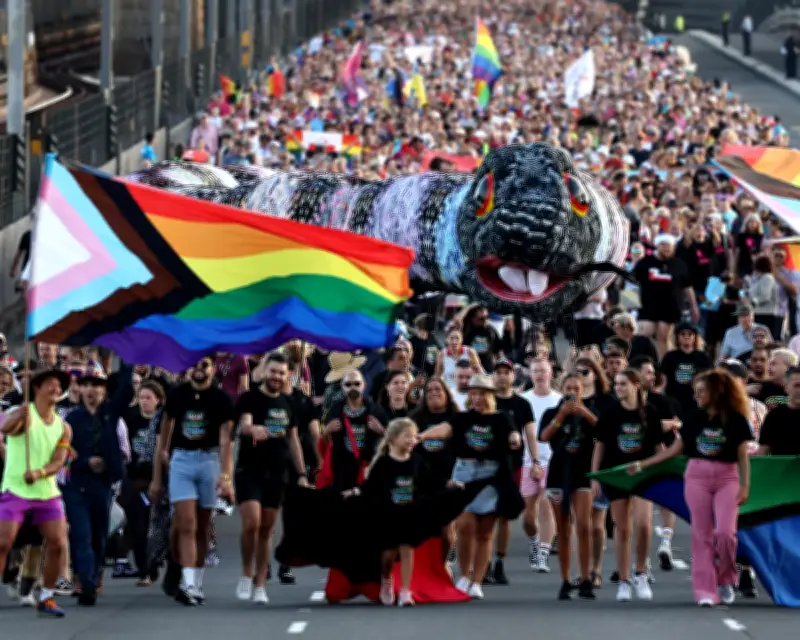
The biggest change is the inclusion of questions about sexual orientation, sex recorded at birth and gender.
Dr Liz Allen, a demographer at Australian National University, has called the questions "probably the most progressive census Australia has ever seen".
"Imagine being born into a body or orientation that you have absolutely no control over and yet you are forced to put yourself in a box you simply don't fit in," she says. "For many folks it will be the first time that they will feel like they are truly captured in all their glory in that national photograph."
However, there will be no option to record a person as intersex. The ABS considered adding such a question, but it was not recommended for inclusion. There will also be changes to the ancestry question, allowing people to report up to four ancestries instead of two, which Walter says will deepen understanding of Australia's cultural composition.
Data privacy
Walter says privacy is "front and centre" in the collection and processing of data. "There's seven years of planning that goes into every census and right at the core of that is not only protecting people's privacy, but also securing their information."
She says the ABS is "required by law never to release information in a way that can identify an individual … and that includes to any other agency". "We remove names and addresses quite early in the compilation of the data and we never return them to that compilation aggregate of information."
The data is expected to take almost a year to process and will be made public from June 2027.




