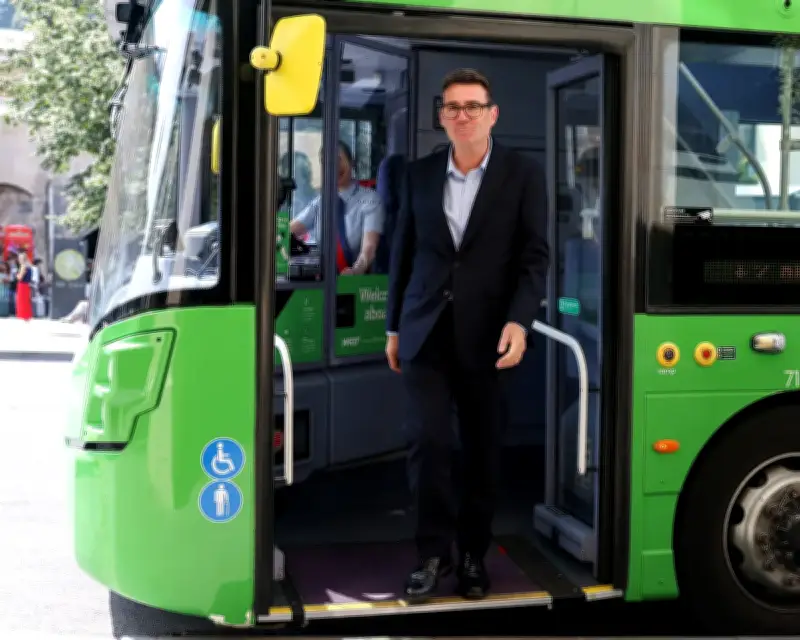
Greater Manchester's experience of bus franchising, led by Mayor Andy Burnham, has become a model for how public ownership can be delivered effectively. The scheme, which brought buses back under public control, is being held up as an example of what can be achieved when devolved powers are used decisively.
Taking back control
The move reversed decades of deregulation, allowing the region to set fares, routes and standards rather than leaving them to private operators. Early results show increased passenger numbers and improved satisfaction, suggesting that the public, not shareholders, can benefit from transport policy.
Burnham's approach has been characterised by a willingness to use existing powers to the full, rather than waiting for Westminster permission. This has made Greater Manchester a testbed for progressive governance within the current constitutional settlement.

A wider lesson
The success of the bus scheme has broader implications for the rest of the country. It demonstrates that public ownership can work in practice, not just in theory, and that devolution can deliver tangible improvements when leaders are prepared to act.
The article argues that this model could be replicated elsewhere, offering a template for other metro mayors and combined authorities. It also suggests that the approach could inform national policy, particularly in areas where privatisation has failed to deliver.
Burnham's buses, therefore, are not just a local transport story. They represent a political blueprint for how to govern Britain in a way that is both practical and popular.