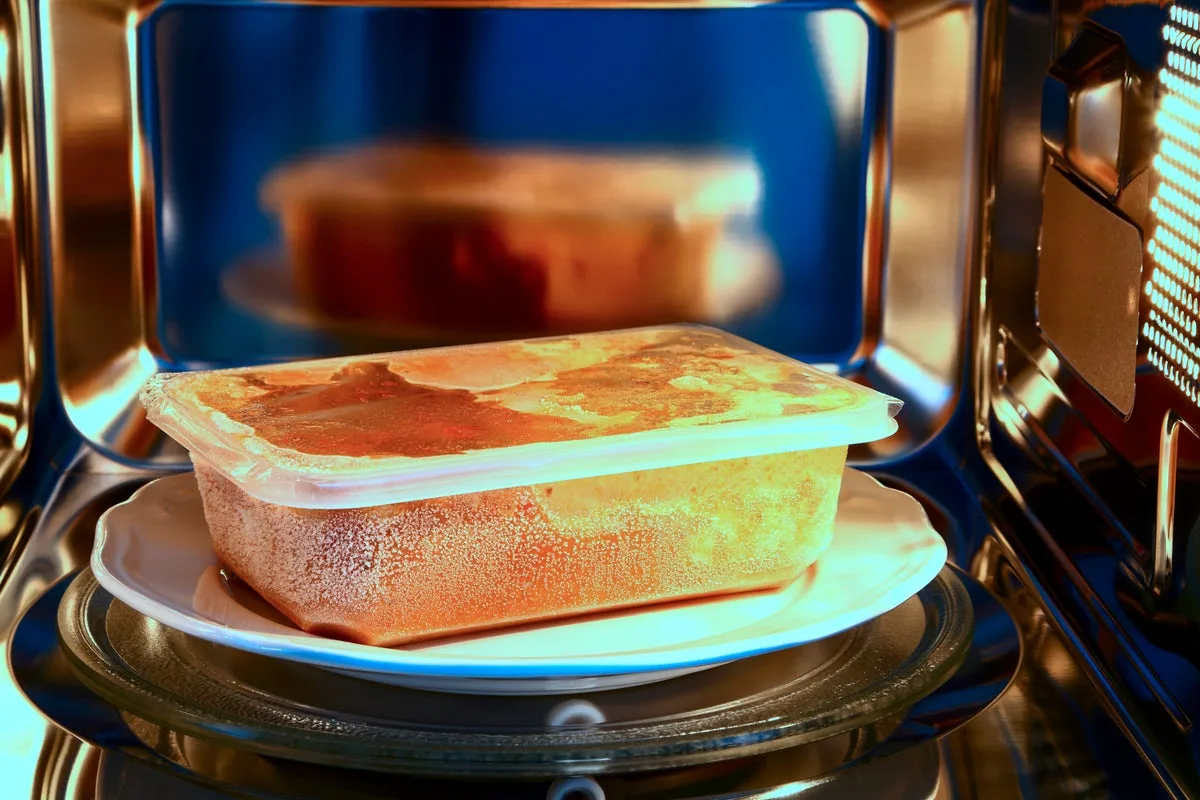
A new analysis by Greenpeace International has found that microwaving ready meals in plastic containers labelled 'microwave-safe' can release thousands of microscopic plastic particles into food within minutes. The report, published on Tuesday, synthesises peer-reviewed studies examining the effects of heating plastic food containers.
The analysis reveals that heat triggers the release of microplastics and nanoplastics, as well as chemicals such as bisphenols and phthalates, which are linked to hormone disruption, infertility, and certain cancers. One cited study found that between 326,000 and 534,000 microplastic and nanoplastic particles leached into food simulants after just five minutes of microwaving—up to seven times more than oven heating under similar conditions.
Heating plastics like polypropylene and polystyrene also increased the migration of additives, including plasticisers and antioxidants, into food. These substances are not permanently bound to the material, making them more likely to migrate when exposed to heat. Graham Forbes, global plastics campaign lead at Greenpeace USA, stated: 'People think they’re making a harmless choice when they buy and heat a meal packaged in plastic. In reality, we are being exposed to a cocktail of microplastics and hazardous chemicals.'
The report notes that 'microwave-safe' labels typically only indicate that a container will not visibly melt or break, not that it prevents the release of microscopic particles or chemicals. It highlights that over 4,200 hazardous chemicals are used in plastics, with most not specifically regulated in food packaging. Some, like bisphenols, phthalates, and PFAS, are linked to cancer, infertility, and metabolic disease.
Evidence cited in the analysis shows that at least 1,396 food-contact plastic chemicals have been detected in human bodies, associated with conditions such as neurodevelopmental disorders, cardiovascular disease, and type 2 diabetes. The report also references studies showing that worn or scratched containers release nearly double the number of microplastic particles compared with new ones.
Greenpeace argues that regulation has not kept pace with emerging research, and that labels like 'microwave-safe' give a false sense of safety. The analysis does not present new experiments but synthesises existing findings, including those showing that refrigeration and room-temperature storage for over six months can also release millions to billions of particles into food.