Lab Gloves May Skew Microplastic Counts, New Study Reveals
It appears that every day brings a new study uncovering tiny plastic particles, known as microplastics, in places they should not be: from our bodies to our food, water, and air. However, detecting and identifying these minuscule contaminants is an immense challenge, given their size—ranging from as large as a ladybug to as small as an eighth of a red blood cell.
Moreover, researchers often struggle to avoid unintentionally contaminating their samples because microplastics are virtually ubiquitous. Consequently, much of the existing research might be overestimating the prevalence of these particles in the environment.
The Study: Uncovering Contamination Sources
In a groundbreaking study published in March 2026, a team of chemists from the University of Michigan set out to investigate how many microplastics residents of Michigan were inhaling outdoors and whether this varied by location. Despite adhering to all standard protocols—such as avoiding plastic use in the lab, wearing nonplastic clothing, and utilizing a specialized chamber to minimize air contamination—the team encountered startling results.

They found plastic counts in the air that were over 1,000 times higher than previous reports. Recognizing that these numbers seemed implausible, the researchers embarked on a meticulous investigation to identify the source of the contamination.
The Culprit: Laboratory Gloves
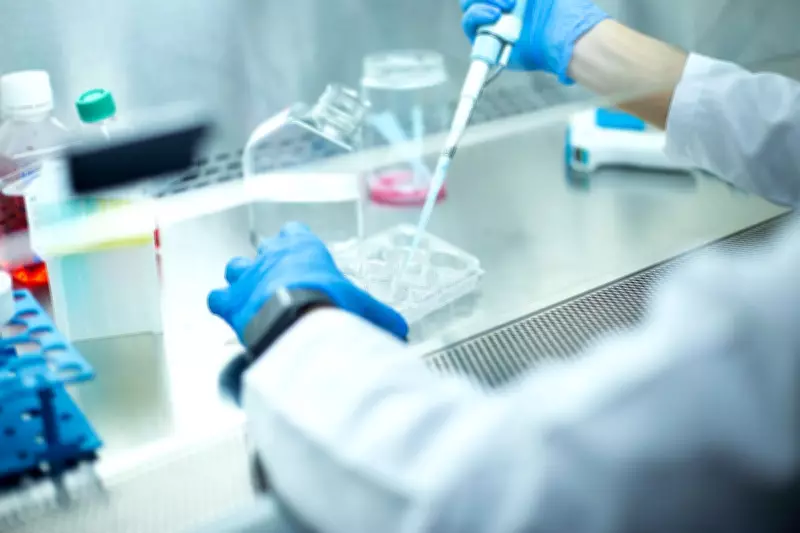
After an extensive process of elimination, the team pinpointed laboratory gloves as the primary source of contamination. These gloves, widely recommended as a best practice in scientific communities, were found to transfer particles to sample surfaces, specifically small metal sheets used to collect airborne material. This transfer led to a significant overestimation of microplastic abundance in their study.
The particles in question were identified as stearate salts, which are used during the manufacturing process to help gloves release cleanly from their molds. When gloves handle laboratory equipment, these salts are transferred to any surface they touch. While stearate salts are not microplastics themselves and are not harmful in the same way, their structural similarity to polyethylene—the most common plastic in the environment—makes them difficult to distinguish using standard analytical tools.
Analytical Challenges and Misidentification
Researchers typically use vibrational spectroscopy to identify microplastics, a method that measures how particles interact with light to produce a chemical fingerprint. Due to the structural resemblance between polyethylene and stearate salts, they interact with light in a similar manner, leading to frequent misidentification.
As more scientists adopt automated methods to expedite analyses, the risk of glove residue being mistaken for microplastics increases, potentially inflating reports of environmental contamination beyond actual levels.
Assessing the Scale of Contamination
To evaluate how widespread this issue might be, the team tested seven different types of gloves by simulating handling procedures in the lab. They discovered that gloves could contribute over 7,000 particles per square millimeter that are incorrectly attributed to microplastics. This finding indicates that researchers may unknowingly overestimate microplastic abundance when using gloves during sample handling.
Even more concerning, the particles were predominantly less than 5 micrometers in size. Microplastics in this range pose greater risks to human and ecosystem health because they can more easily penetrate cells. By exaggerating counts in this critical size category, the use of laboratory gloves could undermine studies that inform future policies and regulations.
Moving Forward: Recommendations and Implications
To mitigate contamination, the study suggests that scientists avoid using gloves in microplastic research whenever possible. In cases where glove use is necessary—such as with biological samples for safety reasons—the team recommends opting for gloves made without stearates, like those designed for electronics manufacturing. Additionally, they have developed methods to differentiate chemical fingerprints, which could help salvage older datasets that may have been compromised.

It is crucial to note that even if microplastic levels are lower than previously thought, any presence remains problematic due to their adverse effects on human health and ecosystems. Science is an iterative process, and as new areas like environmental microplastics emerge, unforeseen challenges like contamination will arise. The lessons from this study are expected to inform future research, with the team planning to continue their investigations into Michigan's atmospheric microplastic contamination—this time, without gloves.