Organised criminal gangs are being blamed for the continued rise in large-scale fly-tipping incidents across England, with experts warning that fake waste companies are hiring out buildings to dump clients' rubbish. The illegal activity has cost local authorities nearly £60 million in clean-up costs since 2012, with parts of London and Manchester hardest hit.
According to the Countryside Alliance, gangs pose as legitimate waste disposal businesses, advertising online and then dumping waste in rented buildings before disappearing. Large-scale fly-tipping, defined as a tipper lorry load or more, has more than doubled in six years. Last year, councils faced a £12.8 million bill to clear over 36,200 large tips, accounting for more than a fifth of the overall cost of clearing fly-tips.
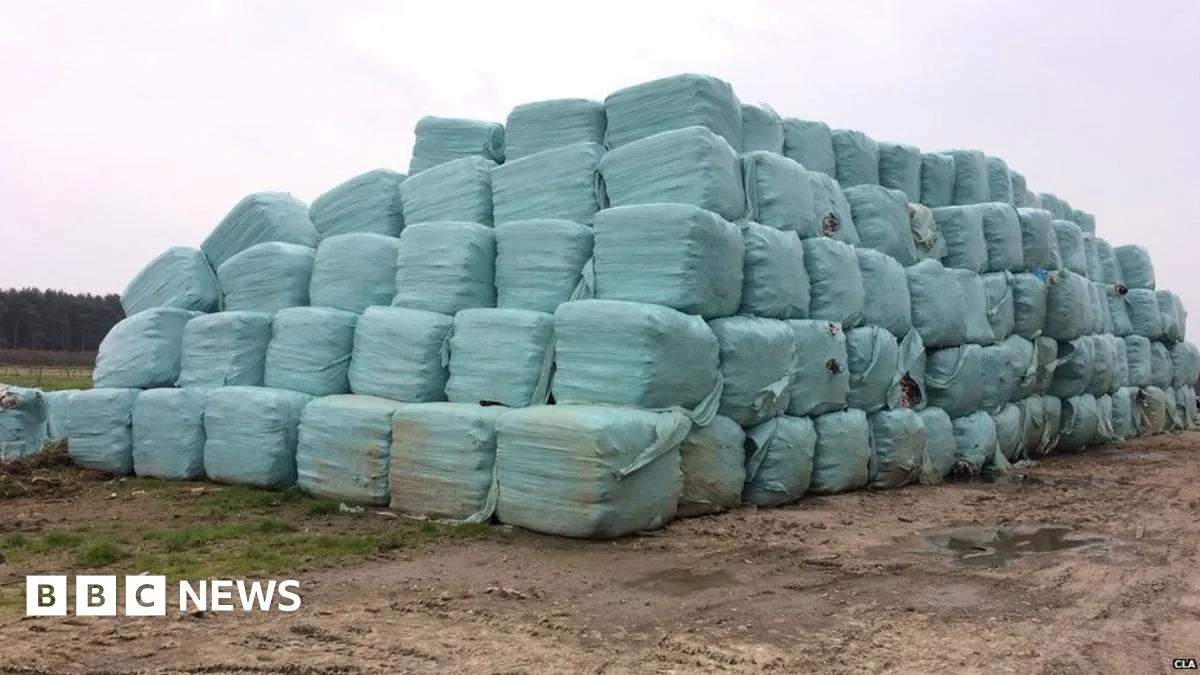
Marc Lidderth, an area manager for the Environment Agency, described fly-tipping crime as 'the new narcotics'. The National Farmers' Union said the situation was a 'nightmare' that continued to 'spiral out of control', with criminals using lock-cutting tools to break into private land and dump vast quantities of waste. In some cases, they compact waste into plastic wrapping and build it into haystack shapes to disguise their activities.
Keep Britain Tidy chief executive Allison Ogden-Newton called for the new government to get serious on mass fly-tipping, making it harder for criminals to trade and giving local authorities the resources they need. However, the Country, Land and Business Association suggested that the introduction of fees at many recycling centres had contributed to the rise of organised criminal fly-tipping.
The Department for Environment Food and Rural Affairs acknowledged that waste crime was becoming more organised, involving 'networks of career criminals'. In 2019, local authorities were given the power to issue penalties of up to £400 to householders who pass waste to an unlicensed carrier. More than half of all local authorities in England posted an increase in large fly-tipping incidents between 2011-12 and 2018-19.
Manchester City Council recorded the most large incidents in five out of eight years, averaging 1,672 clean-ups annually. The council said it had a dedicated environmental crimes team and had invested an extra £500,000 into prevention and enforcement. Croydon, in south London, had the highest average annual number of large incidents per capita, with a dramatic rise from five incidents in 2011-12 to 3,948 in 2018-19. Croydon Council said the majority of those incidents were reported by residents on its waste app and that it was proactive in reducing fly-tipping.