Yosemite's Firefall Phenomenon Illuminates California's National Park
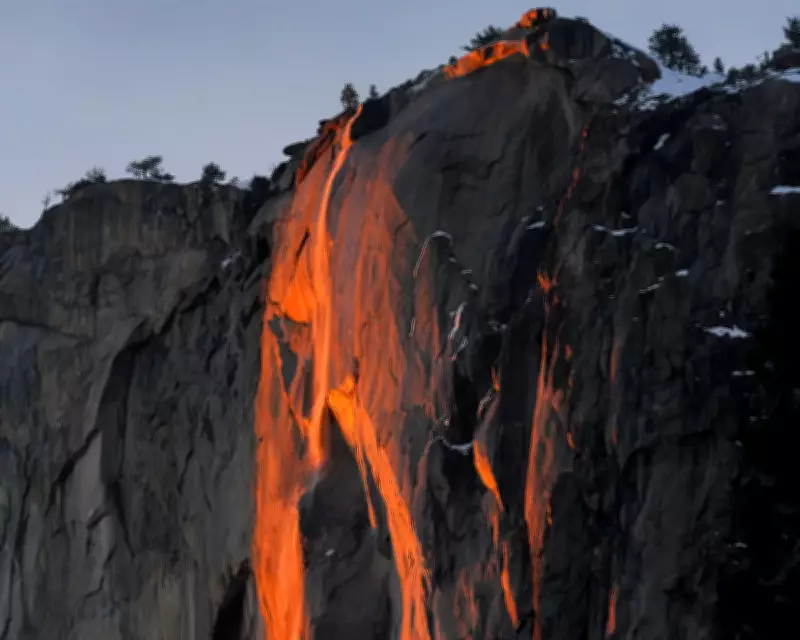
The annual Firefall event at Yosemite National Park in California has once again captivated visitors, as Horsetail Fall transforms into a glowing cascade resembling molten lava during sunset. This natural spectacle, which occurs under specific weather conditions, typically draws large crowds to the park each February, creating a stunning visual display that has become a highlight for photographers and nature enthusiasts alike.
Conditions Required for the Spectacular Display
For the Firefall effect to occur, several precise conditions must align. Horsetail Fall must be flowing with sufficient water, often from snowmelt or recent precipitation in the Sierra Nevada mountains. Additionally, clear skies are essential to allow the setting sun's rays to hit the waterfall at the correct angle, typically in mid to late February. This alignment creates the illusion of fire, as the water appears to glow with vibrant orange and red hues, reminiscent of a waterfall of lava.
Environmental and Crowd Management Challenges
The popularity of the Firefall event has led to significant challenges for park authorities. In recent years, Yosemite National Park has implemented crowd control measures, including reservation systems and restricted viewing areas, to manage the influx of visitors and minimize environmental impact. These steps aim to protect the delicate ecosystem around Horsetail Fall while ensuring a safe and enjoyable experience for all attendees.

Park officials emphasize the importance of respecting natural habitats and adhering to guidelines, as increased foot traffic can lead to soil erosion and damage to local flora. Visitors are encouraged to plan ahead, check weather forecasts, and follow park regulations to help preserve this unique phenomenon for future generations.
Historical Significance and Cultural Impact
The Firefall has a rich history, with documented sightings dating back decades, though it gained widespread attention more recently through social media and photography. This event not only boosts tourism in the region but also highlights the beauty and fragility of natural wonders. It serves as a reminder of the importance of conservation efforts in national parks, balancing public access with environmental stewardship.
As climate patterns shift, there are concerns about the future reliability of the Firefall, with potential impacts from drought or changing weather conditions. Researchers and park managers continue to monitor these trends to understand how best to protect and sustain this iconic display.