
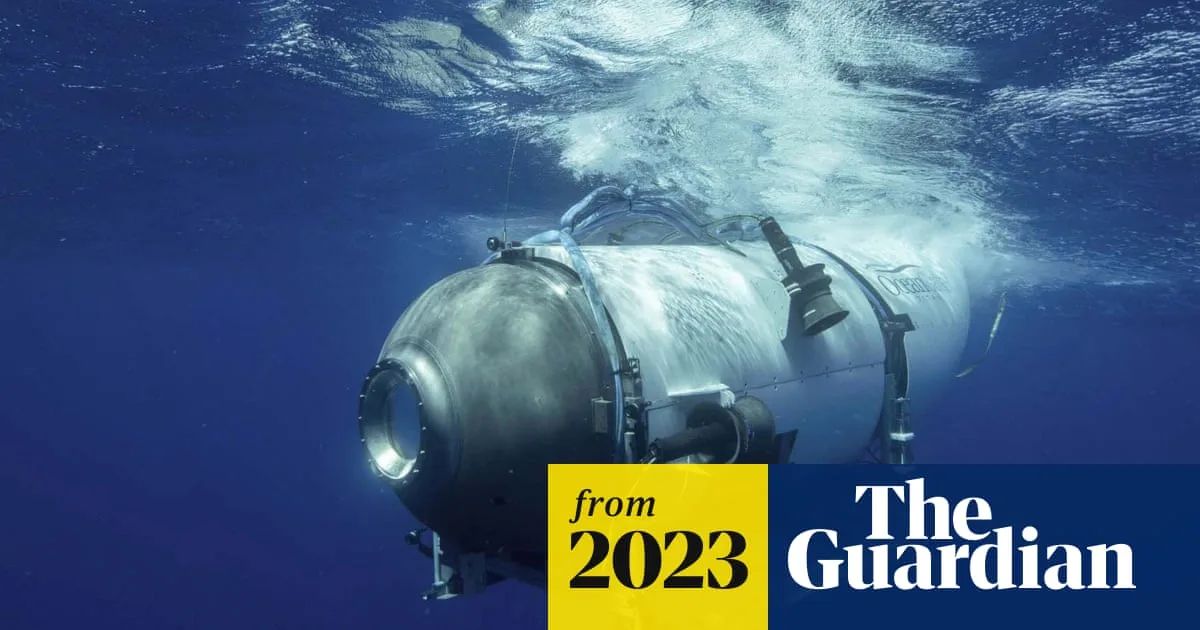
Allegedly cavalier attitudes toward safety and a focus on 'innovation' may have contributed to the deep sea implosion that killed five people aboard the Titan submersible in June, according to industry experts. The doomed vessel reportedly dropped weights during its descent, but it remains unclear whether this was routine or an attempt to abort the mission.
Rob McCallum, a veteran submersibles expert, told the Guardian that submersibles jettison weight to control buoyancy. “Sometimes, they lose a little bit of weight to slow down as they’re approaching the bottom and sometimes, they lose a lot of weight in order to ascend,” he explained. Without a flight data recorder, the exact sequence of events may never be known.
An expansive New Yorker feature detailed efforts by McCallum and others to sound the alarm about OceanGate Expeditions’ vessels. In a spring 2018 email, company co-founder Stockton Rush dismissed safety concerns as a “personal insult” and defended his “innovative approach” over existing standards. “I have grown tired of industry players who try to use a safety argument to stop innovation,” Rush wrote.
McCallum had visited OceanGate’s workshop and raised concerns about the submersible’s design, including its use of Bluetooth controls. “Every sub in the world has hardwired controls for a reason,” he said. He also noted that the launch and retrieval procedures from a barge were risky. Despite warnings, government authorities and OceanGate did not act, and all five occupants died in the implosion.




