Airline emissions in Europe have surged past pre-COVID levels, according to new data, casting doubt on the industry's pledge to decarbonise. The findings reveal that carbon dioxide emissions from flights within the European Economic Area (EEA) and departing flights to the UK and Switzerland reached 152 million tonnes in 2025, a 12% increase compared to 2019.
Industry Pledge Under Scrutiny
The rise comes despite the aviation sector's commitment to achieve net-zero emissions by 2050. Environmental groups argue that the increase demonstrates a lack of meaningful action. "This is a stark reminder that voluntary pledges are not enough," said a spokesperson for Transport & Environment. "Governments must enforce stricter regulations and invest in sustainable aviation fuels and carbon pricing."
Factors Behind the Increase
Several factors have contributed to the emissions rebound. Air travel demand has recovered strongly, with passenger numbers exceeding 2019 figures in many markets. Additionally, the use of sustainable aviation fuels remains minimal, accounting for less than 1% of total fuel consumption. The expansion of airport capacity and increase in short-haul flights have also played a role.

- Passenger demand has rebounded faster than expected, driven by pent-up travel desires and economic recovery.
- Sustainable aviation fuel production is still in its infancy, with high costs and limited supply hindering adoption.
- Short-haul flights, which are less fuel-efficient per passenger-kilometer, have grown disproportionately.
Regulatory Response
The European Commission has proposed stricter emissions targets for aviation under the Fit for 55 package, including a revision of the Emissions Trading System (ETS) to cover more flights and phase out free allowances. However, implementation has been slow, with some member states resisting tighter rules. "The current trajectory is incompatible with our climate goals," said an EU official. "We need to accelerate the transition to cleaner technologies and operational improvements."
Airline industry representatives defend their efforts, pointing to investments in more efficient aircraft and sustainable fuels. "Decarbonising aviation is a complex challenge, but we are committed to achieving net-zero emissions by 2050," said a spokesperson for Airlines for Europe. "However, governments must provide the necessary support infrastructure and regulatory framework."
Environmental Impact
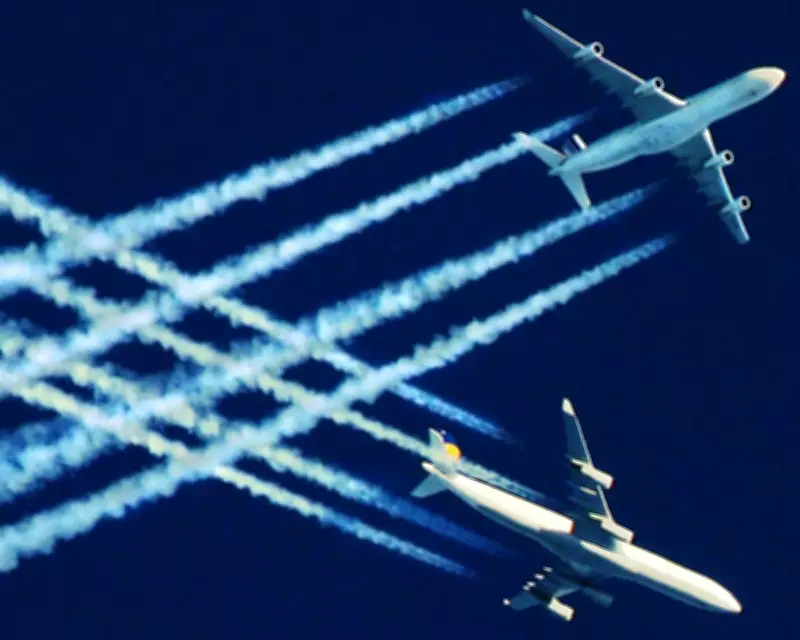
The rise in emissions comes at a critical time, as scientists warn that global carbon emissions must peak by 2025 to avoid the worst impacts of climate change. Aviation accounts for approximately 2.5% of global CO2 emissions, but its contribution to warming is higher due to non-CO2 effects such as contrails and nitrogen oxides. Environmentalists call for urgent measures, including a frequent flyer levy, a ban on short-haul flights where rail alternatives exist, and mandatory blending targets for sustainable fuels.
As the debate intensifies, the data serves as a wake-up call for policymakers and the industry. Without decisive action, the gap between pledges and reality will continue to widen, undermining broader climate efforts.