Historic Whitby Whalebone Arch Sparks Conservation Controversy
A significant controversy has emerged in the picturesque North Yorkshire seaside town of Whitby, where plans to replace a historic whalebone arch have ignited a fierce debate between heritage preservation and modern conservation values.
The Decaying Landmark
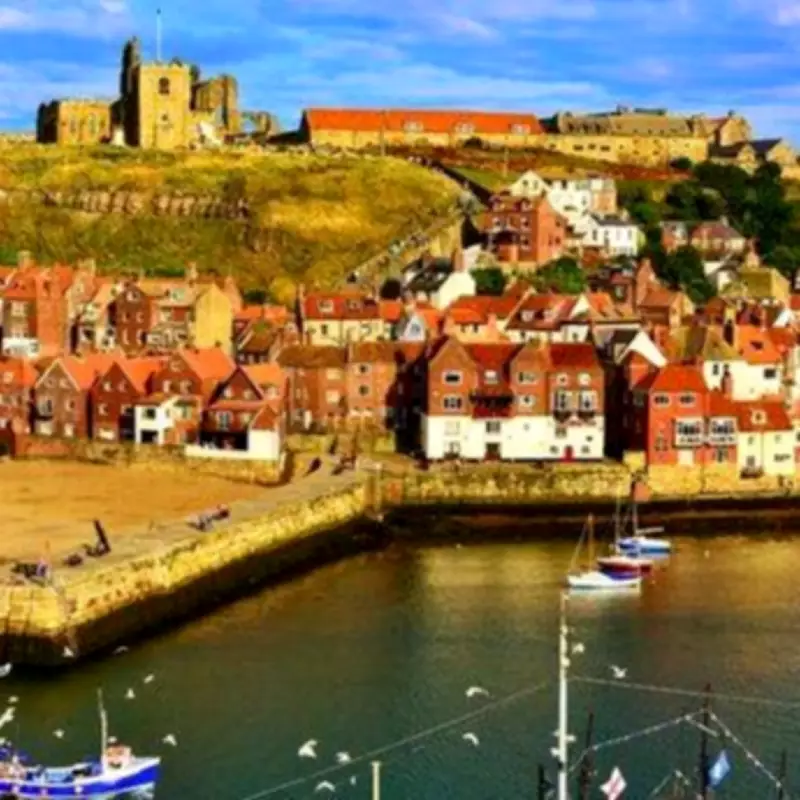
The iconic 12-foot whalebone arch, which has stood overlooking Whitby's historic fishing port since 1853, is now in a state of rapid deterioration. This landmark structure, originally erected during Whitby's whaling heyday when the port was one of Britain's largest with 55 whaling ships, has become one of the town's most cherished tourist attractions.
The current arch was installed in 2002 using bones from a Bowhead whale legally killed by native Inuit hunters from Whitby's twin town of Barrow, Alaska. However, after more than two decades of exposure to coastal elements, the structure requires urgent replacement, prompting difficult discussions about how to proceed.

Replacement Options Under Consideration
North Yorkshire Council officials have confirmed they are exploring multiple replacement options, creating a complex decision-making process. The possibilities under consideration include:
- Obtaining new bones from whales caught by native Inuit communities in Alaska
- Using bones from whales that have died naturally
- Creating high-quality replica bones as a sustainable alternative
Council representatives have engaged in preliminary discussions with Alaskan authorities at North Slope Borough regarding potential access to real whale bones. However, they emphasise that no decisions have been finalised and all options remain under active consideration.
Conservationist Opposition
Local wildlife conservation groups have voiced strong objections to using real whale bones for the replacement. Alexandra Smith, manager of Whitby Wildlife Sanctuary, has been particularly vocal in her criticism.
"While we recognise the historical significance of the Whitby whale bone arch, we would not support the use of real whale bones in its replacement," Smith stated. "Whales are a protected species, and even when bones are sourced from historic or non-recent specimens, their continued use normalises the idea that wildlife body parts are appropriate for public display."
Conservationists argue that using real bones sends conflicting messages during a period when global efforts focus on marine life protection and sustainable practices. They advocate strongly for replica alternatives that could preserve the arch's cultural importance without involving actual animal remains.
Practical and Ethical Challenges
The practical difficulties of obtaining and transporting real whale bones present significant hurdles. Chris Bourne, North Yorkshire Council's head of harbours, explained that even if access to bones were granted, retrieving them from remote Arctic locations and transporting them to Whitby would be logistically challenging.
Furthermore, Bowhead whales are classified as endangered and protected under CITES regulations, requiring special permissions for international transport. The bones would need thorough cleaning and proper documentation before any potential import to the UK.
Local Government Perspectives
Council officials have expressed mixed views on the appropriate course of action. Cllr Mark Crane, North Yorkshire Council's executive member for harbours, acknowledged the arch's significance while highlighting practical considerations.
"The whale bone arch has been a symbol of Whitby's maritime heritage since 1853," Crane noted. "All options are being considered, but we believe using a replica would be more sustainable, durable and ethical. However, this is not a decision that will be made solely by ourselves."
Whitby Mayor Cllr Sandra Turner has called for preserving the landmark while clarifying ethical boundaries. "Absolutely, we don't condone the killing of any whales to replace the whale bones that we've got," she asserted, while suggesting that existing stored bones might provide an acceptable solution.

Balancing Heritage and Modern Values
The controversy highlights the ongoing tension between preserving historical landmarks and adapting to contemporary conservation ethics. Whitby's whaling history, during which an estimated 2,700 whales were caught in the 18th and 19th centuries, forms an important part of the town's identity, yet modern sensibilities demand different approaches to wildlife representation.
As discussions continue between North Yorkshire Council, Whitby Town Council, Alaskan authorities, and local stakeholders, the decision about the arch's future will likely set important precedents for how communities balance historical preservation with evolving environmental values.
The outcome will not only determine the appearance of one of Whitby's most famous landmarks but also signal how traditional fishing communities navigate the complex relationship between their heritage industries and contemporary conservation priorities.