Whitby's Iconic Whale Bone Arch Sparks Conservation Debate Over Replacement Plans
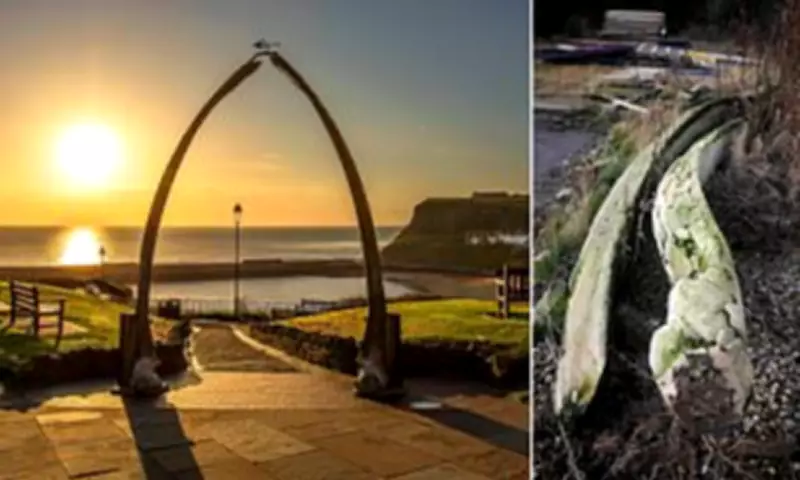
A significant controversy has erupted in the picturesque North Yorkshire seaside town of Whitby concerning the future of its iconic Whale Bone Arch. The 12-foot high landmark, which has stood proudly at the top of West Cliff for over 170 years, is showing signs of decay despite being replaced as recently as 2002. North Yorkshire Council is now actively exploring replacement options, sparking a heated row between heritage preservation and modern conservation ethics.
The Council's Deliberation: Real Bones or Sustainable Replicas?
Council chiefs are currently weighing up several possibilities for the arch's restoration. One option involves sourcing new bones from a deceased whale, potentially through cooperation with native Inuit communities in Barrow, Alaska—Whitby's twin town. Another, more contentious consideration would involve the intentional killing of a whale to obtain fresh bones. However, officials stress that using high-quality replica bones remains a strong alternative under serious consideration.
Chris Bourne, North Yorkshire Council's head of harbours, confirmed the authority is examining all avenues. He acknowledged significant practical hurdles if real bones were pursued, including their remote location on the Arctic ice-shelf, the need for local cooperation to recover them, thorough cleaning requirements, and obtaining complex import permissions under international regulations.

Conservationists Voice Strong Opposition to Real Whale Bones
Local wildlife conservationists have reacted with dismay to the possibility of using genuine whale remains. Alexandra Smith, manager of Whitby Wildlife Sanctuary, stated unequivocally that her organisation would condemn any move to replace the arch with bones from either a live or dead whale.
'While we recognise the historical significance of the Whitby whale bone arch, we would not support the use of real whale bones in its replacement,' Smith said. 'Whales are a protected species and even when bones are sourced from historic or non-recent specimens, their continued use risks normalising the idea that wildlife body parts are appropriate for public display.'
She emphasised that such a decision could send the wrong message globally, particularly when conservation efforts are intensively focused on protecting marine life and promoting ethical, sustainable practices. The sanctuary strongly advocates for a sustainable alternative, such as high-quality replicas, which could preserve the arch's cultural importance without involving real animal remains.
Council Leadership Advocates for Ethical and Sustainable Solutions
North Yorkshire Council's executive member for harbours, Councillor Mark Crane, highlighted the arch's deep historical significance, noting it has been a symbol of Whitby's maritime heritage since 1853. 'The current arch was installed in 2002, and given the current state they are in and the limited time they can remain in place, discussions have started between ourselves, the town council and the Alaskan authorities to preserve one of the town's most famous symbols,' he explained.
Crane added, 'All options are being considered, but we believe using a replica would be more sustainable, durable and ethical. However, this is not a decision that will be made solely by ourselves and we will continue discussions with local stakeholders about preserving this local symbol.'
Local Political Figures and Historical Context
The Mayor of Whitby, Councillor Sandra Turner, has called for the bones to be retained but clarified the town's position. 'Obviously, we want to retain our whale bones and we are in the process of working with North Yorkshire Council. They're in contact with overseas bodies to see if we can get a replacement set,' she said. 'What I will say is, absolutely, we don't condone the killing of any whales to replace the whale bones that we've got. If there is a set of whale bones that are just in store somewhere that can be put in place, then yes, that would be excellent.'
Whitby Town Council has formally requested that North Yorkshire Council undertake 'urgent investigations' into the future of the whalebones, with the county council confirming it is actively pursuing the matter.

The historical context underscores the arch's significance. At its peak, Whitby's port was one of Britain's largest, with 55 whaling ships operating from its harbour. It is estimated that over 2,700 whales were caught during the 18th and 19th centuries. The current arch, installed in 2002, was constructed from bones taken from a Bowhead whale—an endangered species protected under CITES regulations—legally killed by a native Inuit from Barrow, Alaska.
As discussions continue, the debate encapsulates a broader tension between preserving historical artefacts and adhering to contemporary conservation values, with the outcome likely to set a precedent for how communities balance heritage with environmental responsibility.