In a remarkable annual conservation effort, a key rural road in Somerset will be shut to traffic for the next six weeks to enable thousands of toads, frogs and newts to safely migrate to their natural breeding habitats. Charlcombe Lane, located near the historic city of Bath, officially closed today and will remain inaccessible to vehicles until March 29, providing a critical safe passage for amphibians during their breeding season.
Volunteer Patrols Mobilise for Nightly Rescues
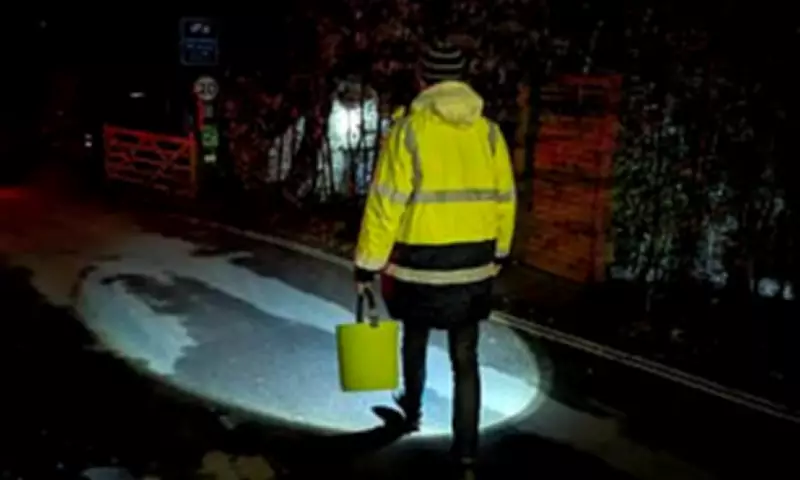
Throughout this period, dedicated volunteers from the Charlcombe Toad Rescue Group will conduct nightly patrols from dusk, equipped with high-visibility jackets, torches and buckets. Their mission is to locate, collect and safely transport more than 3,000 amphibians across the half-mile stretch of road that separates them from their ancestral breeding lake in the valley below. The volunteers are trained to handle the delicate creatures with care, using latex and powder-free gloves to prevent any chemical contamination that could harm the small animals.
A Decades-Long Commitment to Conservation
This road closure represents a long-standing partnership between local conservationists and the Bath and North East Somerset Council, which has approved the seasonal shutdown every year since 2003. The initiative has transformed the survival prospects for local amphibian populations. Before the annual closures began, the casualty rate for amphibians attempting to cross Charlcombe Lane was a staggering 62%. By 2025, that figure had plummeted to just 3%, demonstrating the profound impact of this protective measure.

Helen Hobbs, who has managed the Charlcombe Toad Rescue Group since its inception in 2003, emphasised the significance of the road closure. 'Closing Charlcombe Lane, with the support of the local community, has been a game changer,' she stated. 'It has meant that our population of toads, frogs and newts has been able to buck national trends and stand a fighting chance of flourishing.'
Record-Breaking Years and Rare Sightings
The conservation efforts have yielded impressive results over the past two decades. In 2025 alone, more than 50 volunteers dedicated approximately 600 collective hours to assist 3,995 amphibians across the road. This brought the total number of amphibians saved over the last 23 years to more than 50,000. Remarkably, 2025 marked the second-best year on record for amphibian numbers and witnessed a historic first for the patrol: the sighting of a great crested newt, a protected species under UK wildlife legislation.
Recent years have seen particularly strong migration activity, with two of the three best years for the patrol occurring in 2024 and 2025. The busiest year remains 2010, but the consistent success of recent seasons highlights the growing effectiveness of the conservation strategy.
Climate Challenges and Changing Migration Patterns
Climate change presents new challenges for amphibian conservation, as shifting weather patterns make migration timing increasingly unpredictable. 'With a changing climate it is becoming increasingly difficult to predict the peak times for amphibian movements,' explained Hobbs. 'That is why closing the road for six weeks makes such a difference.'
Migration peaks have varied significantly in recent years, occurring in mid-late March in 2023, slightly earlier in mid-February in 2024, and between February 19 and 23 in 2025. The extended six-week closure provides a crucial buffer against these climatic uncertainties, ensuring protection throughout the potential migration window.
National Context and Broader Conservation Concerns
Charlcombe Lane represents one of only four road closures of its kind in the United Kingdom specifically designed to protect migrating amphibians. This local initiative takes place against a backdrop of national decline for amphibian species. Research conducted last year revealed that the common toad population has decreased by more than 40% over the past four decades.
Amphibians face multiple threats across the country, including:

- Road traffic mortality during seasonal migrations
- Habitat loss, particularly the disappearance of breeding ponds
- Habitat fragmentation due to agricultural intensification and development
- Climate impacts, including milder winters that disrupt hibernation patterns
Nationwide, more than 200 volunteer patrols operate during the migration season to assist amphibians at crossing points. These efforts represent a vital grassroots response to the conservation crisis facing these vulnerable species. The success at Charlcombe Lane demonstrates how coordinated action between local authorities, volunteers and communities can create meaningful change for wildlife preservation.