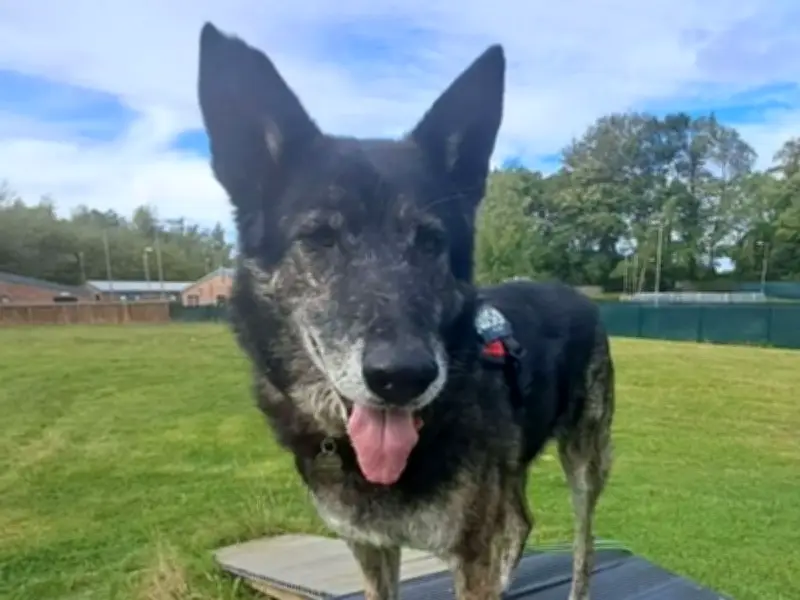
The RSPCA is urgently appealing for adopters across County Durham as rescue teams face rising numbers of multi-animal incidents. So far this year, frontline officers have dealt with an average of 410 multi-animal incidents per month across England and Wales. In Durham, there have already been 87 incidents between January and August, compared to 105 in total last year.
Animals awaiting homes at Felledge Centre
At RSPCA Felledge Animal Centre in Chester Le Street, Lurcher crossbreed Skye and crossbreed Bexley are desperately awaiting their forever homes after both were rescued from a multi-animal home.
Jo Rowland, Chief Executive for the RSPCA, said: “We are struggling and we urgently need help. Our frontline officers are finding dozens, even hundreds of animals in need at single addresses.”
She added: “We are getting amazing support from other animal charities and our brilliant network of RSPCA branches but we are all under immense strain. Animals who have come from homes like this often have behavioural and medical needs, due to the environment they had been living in and need a little more care and understanding. We need to get pets out of our centres and into loving homes so we can continue to rescue.”
Rising multi-animal cases across England and Wales
The charity said rising levels of multi-animal cases are putting unprecedented pressure on its teams and volunteers across England and Wales, with 3,280 multi-animal cases reported across England and Wales already this year — an average of 410 incidents each month. In 2025, RSPCA frontline officers responded to more than 4,200 incidents involving 10 or more animals at a single address — nearly 12 every single day and 355 a month.
These incidents involved 88,000 animals, including dogs, cats, small pets, horses and exotic animals, and 75 of those cases involved more than 100 animals — more than one every single week. Cases of large numbers of animals being kept at one address can be linked to mental health struggles, the cost of living crisis, or breeders operating with poor practices. RSPCA experts say that initially well-meaning individuals often see situations spiral out of control.
Hoarding and support
Jo added: “Hoarding incidents are just one of the ways in which these situations occur — some multi-animal incidents involve breeders or people can become overwhelmed unintentionally by not neutering early enough. In many cases the best route is to offer advice and support such as neutering and rehoming some of the animals, so they are at more manageable levels.”
She said: “We are encouraging people to contact an animal charity if they are at a stage where they, or someone they know, is struggling with the numbers of animals they have in their household. The sooner actions are taken the better for animals and people.”
Vets at inspiring vet care often support the RSPCA on multi-animal cases. Dave Martin, the company’s Group Director of Animal Welfare, said: “The conditions that some of these animals are removed from can be shocking, but animals are very resilient and with love, care and patient rehabilitation can go on to make excellent pets in the right homes.”
Capacity crisis and animals in care
The rise in multi-animal cases, alongside rising cruelty and neglect, led to a six-year high of animals in RSPCA care last year and plunged the animal welfare charity into a capacity crisis. There are now more than 7,000 animals in RSPCA care at any one time. RSPCA branches and centres find homes for almost 70 animals a day, but rescued animals have been coming in at a quicker rate than they are adopted.
There are now more than 1,000 animals waiting in private boarding kennels, catteries and stable yards because RSPCA centres and branches are full.
Skye and Bexley's stories
Animal Centre Deputy Manager Luka Atkinson said: “Both Skye and Bexley haven’t had much luck finding home, but we hope that this will change this Adoptober.”
She said: “If you can offer either one of them a home, please do get in touch or fill in an online application form. They both have so much love to give and although we are looking for a specific type of home for them to cater to their needs, we know there are the perfect families out there. Skye is looking for a quiet, adult-only home where she can settle, feel safe and enjoy life at her own pace.”
Luka added: “Skye is such a sweet girl and had a turbulent start to life, after living in a multi-dog household. She can be a little nervous when meeting new people, however, once she has had some time to get to know you and feels comfortable, she soon begins to show her lovely personality.”
She said: “She would like to be the only dog in her new home, although she is dog sociable and is happy to walk out alongside other calm dogs. She enjoys having her own space and would benefit from adopters who understand that building her confidence will take patience, time and plenty of positive experiences.”
At the age of 12, Bexley is a gentle soul with a heart of gold and is looking for a home to spend his golden years. Bexley is a lovely chilled-out companion who asks for very little, just a soft bed, a steady routine, and plenty of love. While he thoroughly enjoys relaxing, don't let his age fool you — he still has a cheerful spring in his step and loves to surprise us with the occasional mini zoom when the mood strikes.
Bexley thrives in a calm environment without the hustle and bustle of a busy household. He is looking for an adult-only family and needs to be the only pet in the home so he can relax completely in his own space.
'Heart-breaking situation'
Jo said: “We currently have more animals in our care than space in our centres and branches — and it’s a heart-breaking situation that other animal charities and rescue centres are also facing — that’s why we are asking people with space in their home for a pet to consider adopting. Not only does it free up vital space so we can rescue more animals in need, but it’s so much better for the animals to be out of kennels and in a loving home.”
She added: “We really need help from animal lovers. If you are considering adding a pet to your home, please consider rescuing — and if you can’t adopt, could you consider fostering? We are working to increase our number of foster carers, as well as modernising our rehoming process, to try and get animals into loving homes sooner.”
She concluded: “We need extra special homes for some of our animals and we’re so grateful to anyone who can support our Adoptober campaign — be it through adopting or fostering, or sharing profiles of animals who need new homes.”