
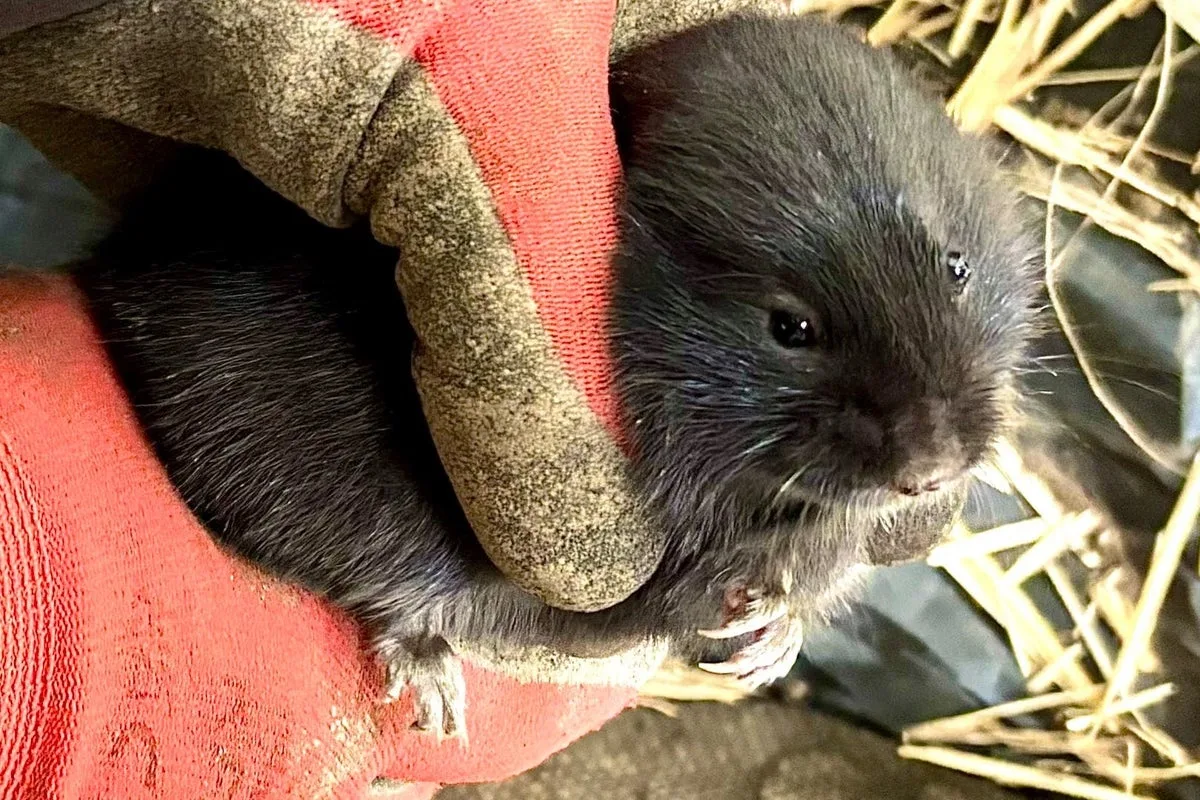
Rare water voles that have adapted to burrow underground in urban Glasgow have been relocated to a new habitat ahead of drainage works by Scottish Water. The fossorial voles, first discovered in the city in 2008, differ from typical water voles by living in grassy spaces rather than beside streams and rivers.
A specialist team of ecologists trapped and moved the population from the Wellhouse area to a confidential nearby habitat. The team used empty Pringle tubes to help funnel the voles into crates, as the tubes were the perfect size for the task.
The relocation took place in recent weeks before construction of a new Sustainable Urban Drainage System (SUDS) detention basin. Scottish Water said the project will prevent rainwater from entering the combined sewer network, reducing flood risk and delivering cost and carbon savings by eliminating the need to treat rainwater.
Steven Greenhill, Scottish Water's alliance team manager, said: “Scottish Water takes its role and responsibility to protect the local environment very seriously, which is why we’ve undertaken a very significant amount of work to ensure the protection of these very rare voles.” He thanked all partners involved for their expertise in trapping and relocating the voles safely.
Jenny Craig, environmental manager at Scottish Water, described the effort as a “real team effort spanning several years” involving collaboration with Glasgow City Council, NatureScot, the Seven Lochs Wetland Park, and ecologists at Tetra Tech. Julia Ferguson, associate director of ecology at Tetra Tech, noted that Glasgow’s fossorial water voles are “truly remarkable” as one of the few known UK populations adapted to urban grasslands away from water.
The SUDS project is being delivered by Caledonia Water Alliance on behalf of Scottish Water and is expected to be completed by summer next year. It will also enable more social and affordable housing development in the area.




