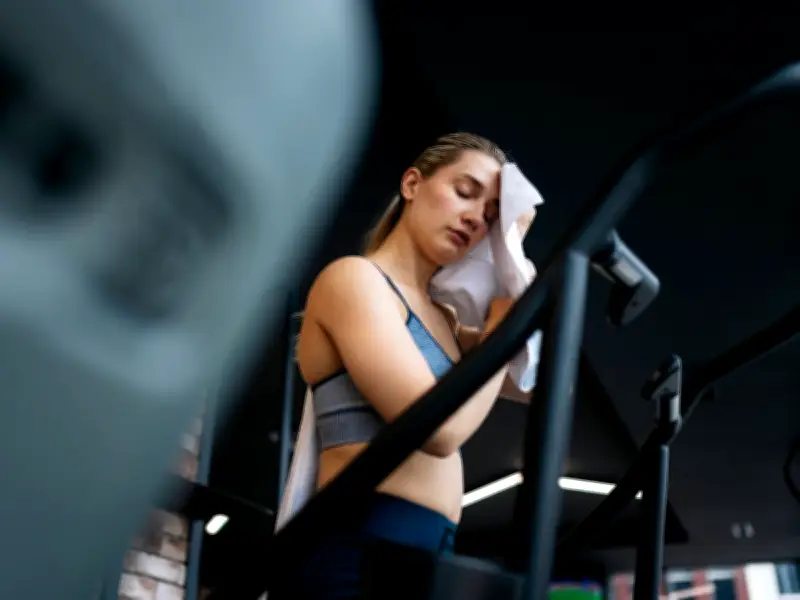
Exercising in the current UK heatwave needs a different approach, according to personal trainer Leon Bolmeer, who warned that training in high temperatures can trigger side effects and affect health unless simple changes are made.
The warning comes as parts of England face the fourth heatwave of the summer, with temperatures high enough for the UK Health Security Agency to issue a health alert. The health authority has urged people to stay hydrated, avoid direct sunlight during the hottest parts of the day and check on those who may be more vulnerable.
Bolmeer, a fitness expert at Geezers Boxing, said: “We are seeing a lot of people still trying to train the same way they normally would, even when it is really hot. The problem is your body is already under more stress in that kind of heat, so you need to be a bit smarter about how you approach it.”
Six early warning signs
He urged anyone exercising this week to watch for the following six early warning signs:
- Feeling dizzy
- Getting light-headed
- Feeling unusually tired
- Not sweating properly
- Headache
- Nausea
These are signs that the body is struggling to cope with the conditions. Bolmeer said any of them should be taken as a signal to slow down or stop.
The NHS says exercising in high temperatures increases the risk of heat exhaustion and heat stroke. If sweating stops but the skin remains hot, it can be a key sign that the condition is progressing from heat exhaustion to heat stroke.
Adapting, not stopping
Bolmeer said people do not need to abandon their workouts entirely. He explained: “A lot of people think they need to completely stop training in a heatwave, but that is not the case. It is more about adapting what you are doing so your body is not under unnecessary pressure.”
He recommended scheduling workouts around the hottest times of the day, choosing early morning or late evening when temperatures are lower. Staying hydrated throughout the day, including during the session, is also vital.
Because exercising in hot weather puts extra strain on the body, Bolmeer advised taking additional breaks or shorter rounds if needed, adding: “It is not the time to chase personal bests or push maximum effort rounds. Focus more on technique, controlled movement and shorter sessions rather than high intensity training.”
He concluded: “Things like training earlier, reducing intensity or just taking more breaks can make a massive difference. You can still get a good session in, it just needs to be a bit more sensible in extreme heat.”