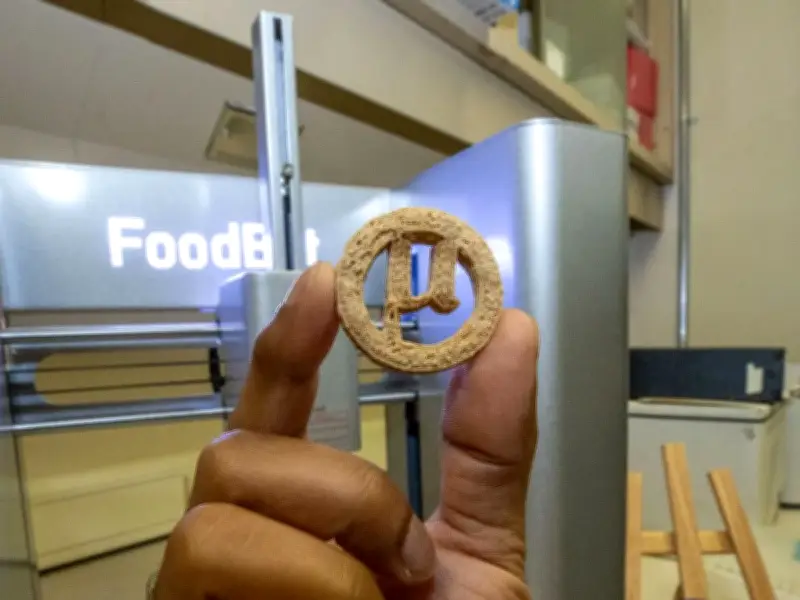
Biscuits made from waste plastic bottles could help tackle the global food crisis, according to scientists who have used special microbes to turn the rubbish into protein-rich treats.
Researchers at Southern Illinois University in the US developed yeasts to convert the material into the biscuits, which they believe represent a new way of upcycling that could feed humans in disaster zones or on deep-space missions.
Turning plastic carbon into food
Professor Lahiru Jayakody, from Southern Illinois University, said: "We were trying to develop technologies for plastic upcycling to make more valuable products.

"We thought, why not focus on making food? Because plastic is carbon and food is carbon. Microbes are very clever. So, we are using their traits to solve the problems we created."
The work is part of a project led by NASA aimed at creating food for astronauts. A common form of plastic used in the process is polyethylene terephthalate (PET), often used to make bottles for water and fizzy drinks.
Protein from PET molecules
Prof. Jayakody said PET has molecules with lots of carbon that could be rebuilt into protein food.
He added: "Global food demand is expected to rise 35% to 56% by the year 2050, and about 30% of the world population will be at risk of hunger in the future.
"The way to address that, I believe, is by using microbes."
Taste tests and vanilla flavours
The team is now set to carry out taste tests on the biscuits, dubbed Bites. They are also creating yeasts to produce vanilla flavours from plants.
Student Sandhya Jayasekara, part of the study team, said: "We're using microbes to develop the cookie into a more attractive, consumer-friendly product."