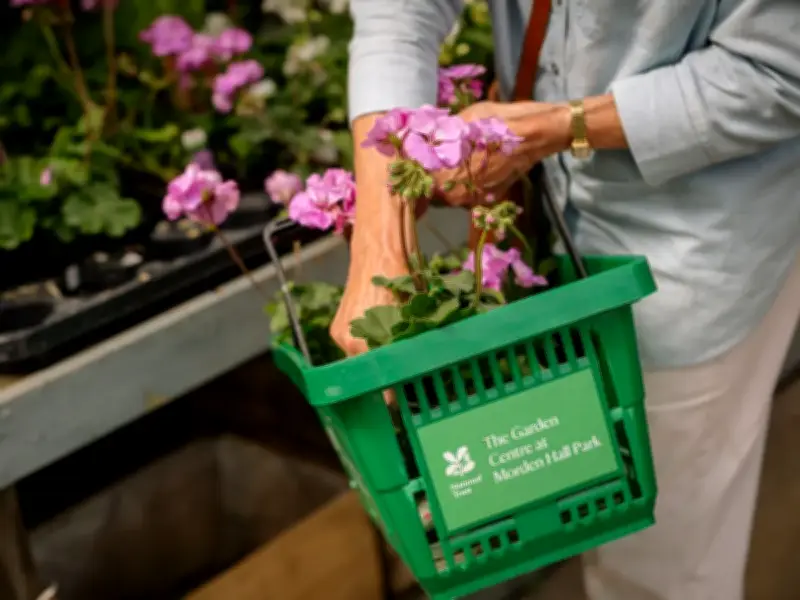
The National Trust has announced that all plants sold at its garden centres and shops across the UK are now 100% peat-free. Revealing the milestone on Thursday (27 August), the charity said it has become one of the first plant retailers to eliminate peat from its supply chain, meaning it has not been used at any stage of a species' growth.
Protecting UK peatlands
The move comes as part of efforts to protect the UK’s remaining peatlands, which form a key carbon store, provide habitat to threatened wildlife, filter water and prevent flooding. These landscapes are facing widespread degradation.
The National Trust said its shops sell on average more than half a million plants per year, across 1,000 different lines. The charity has been practising peat-free gardening and propagation across its properties for more than 25 years but was still finding it in some of the products it bought from suppliers.

Transition plan and supplier collaboration
The charity says it reviewed all its own practices and developed a peat-free transition plan. Teams identified peat as mainly being used for plug plants at the beginning of the plant supply chain, meaning some plants were not in fact peat-free even when they were later grown-on in peat-free media.
In 2023, the National Trust's plant health and sustainability teams began working with growers to understand their challenges and support the move to 100% peat-free.
Michelle Burgess, senior buying manager, said: "We value our suppliers and it was important to us to work collaboratively with them – particularly the smaller growers – to help them navigate the shift to peat-free. We’re grateful and proud that, together, we have made all stages of the growing process peat-free, from seed to finished plant."
Government action urged
Environmental campaigners have long called for laws to end sales of peat for horticulture, to restore peatlands. These landscapes lose their functions as a carbon store and habitat if peat is damaged, such as being dug up and removed for sale.
MPs have made efforts to ban its sale for decades, but targets set by the Government have repeatedly been missed and legislation dropped. Labour’s 2024 manifesto pledged to protect peat bogs and the Government last year vowed to ban peat and peat-containing products, although there is no clear timetable for introducing the legislation.
The National Trust said it is urging ministers to bring this forward urgently, helping to create a level playing field across the industry and making it easier for businesses to move to a peat-free model.
Meanwhile, the Peat-free Partnership – a coalition of environmental charities and gardening businesses working together to end the commercial sale of peat of which the National Trust is a member – has launched a new campaign this week calling on supermarkets and ministers to phase out peat in food production as well as end sales altogether.
Customer confidence
Rebecca Bevan, the National Trust’s senior national specialist for environmental horticulture, said: "In the UK, a 'peat-free' label can simply mean that no peat was used when the plant was last potted-on, ready for sale. This is misleading and confusing for people who are trying to make more sustainable choices."
"This shift gives our customers peace of mind," Ms Bevan added. "If they buy a plant from one of the National Trust’s 90 shops, they can be confident it has been grown entirely peat-free throughout its life."
It also takes the trust a step closer to its target of being peat-free across all supply chains.