
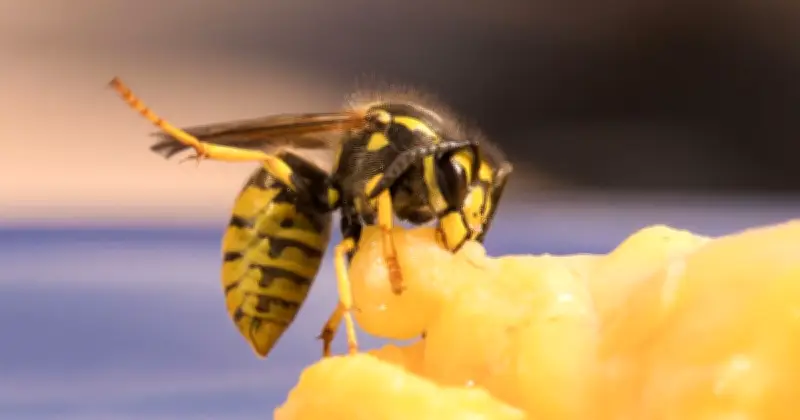
Wasps can ruin summer barbecues and picnics, but placing a £3 pot of thyme on your table could keep them away. The herb's strong aromatic oils confuse wasps' sense of smell, which they rely on to navigate and find food.
Why Wasps Are a Problem Now
Wasps are most active in August and September, when colonies peak in size and foraging intensity. At this time of year, worker wasps hunt for sweet foods and sugars because natural insect prey has declined, making them more persistent and aggressive around food.
Unlike flies, wasps cannot be swatted away. They are aggressive and can sting if they perceive a threat, so getting rid of them without risking injury is tricky.
The £3 Herb Solution
Parkers Garden Company, a family-run garden centre, shared a video on Instagram recommending households buy a plant from the Thymus family, commonly known as thyme. The expert in the video said: "Next time you're at home, and you're going to have a barbecue, or maybe some friends round for dinner, why not put a small pot of Thymus on the table, or keep it there all summer?"
"Thymus, like eucalyptus, is a wasp repellent. One of the best things at this time of year. Always good to eat without the company of insects."
Thymus is a genus of flowering plants from the mint family Lamiaceae, and the culinary herb thyme comes from drying the aerial parts of these plants. The most common type, Thymus vulgaris, also known as common thyme, costs an average of £3 at garden centres, though prices may vary.
Other Natural Deterrents
Placing the plant on your table or in flowerbeds can naturally deter wasps and other pests without chemical repellents. For other natural remedies, soapy water mixed with washing-up liquid in a spray bottle can be sprayed on active wasps or small nests, as the soap blocks their breathing pores and kills them fast.
Essential oils like peppermint, clove, or geranium can be added to soapy water and sprayed around door frames and outdoor ledges to deter nest-building. For short-term protection, wiping outdoor furniture with water mixed with essential oils or growing plants like mint, basil, or lemongrass can help keep wasps away from food.




