International Support Saves Iconic Cerne Giant in Dorset
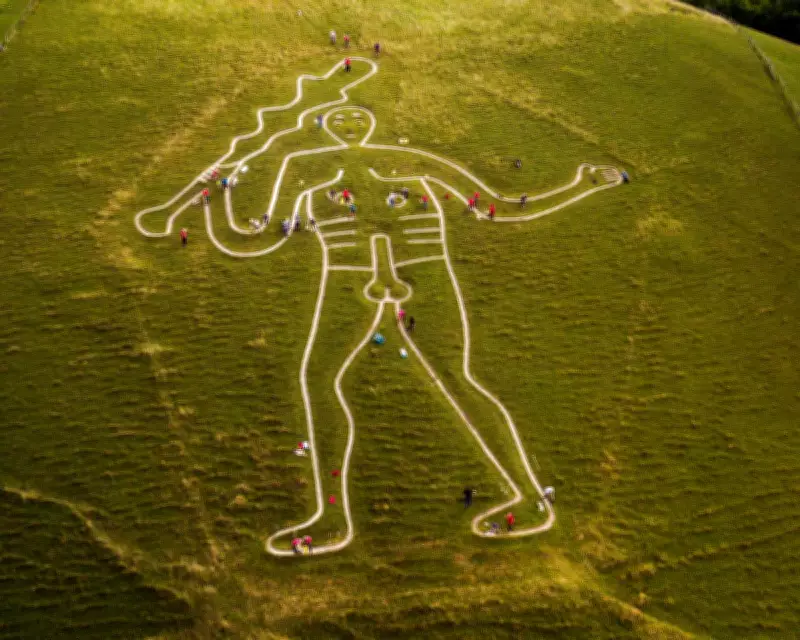
The Cerne Abbas Giant, a 55-metre chalk figure carved into a Dorset hillside, has long captivated enthusiasts of English folklore with its mysterious origins and imposing presence. Now, a wave of global donations has secured its future, demonstrating that this ancient monument's appeal extends far beyond British shores.
Fundraising Success from Across the Globe
In a remarkable show of support, contributions have poured in from over 20 countries, including Australia, Japan, and Iceland. This international effort has enabled the National Trust to reach its fundraising target, allowing the organisation to purchase land surrounding the giant. The funds will be used to enhance public access to the site and connect fragmented habitats, benefiting rare species such as the Duke of Burgundy butterfly.
Luke Dawson, the National Trust's lead ranger for west Dorset and Cranborne Chase, expressed his admiration for the widespread interest. "The giant is a bit of a folk icon and brings in interest from all spheres. It has that mystical quality that piques a lot of people's interest," he remarked, highlighting the figure's enduring allure.

Unraveling Ancient Mysteries and Protecting Wildlife
The acquisition will also facilitate further archaeological research to uncover more about the giant's identity and creation. Theories have varied widely, suggesting it depicts a Celtic god, serves as a fertility symbol, or even mocks Oliver Cromwell. Recent studies indicate it was likely carved between AD 700 and 1100, but many questions remain unanswered.
Beyond the giant itself, the hillside is rich in historical features, including an Iron Age earthwork enclosure known as the Trendle and remnants of a lime kiln. Steve Timms, an archaeologist involved in the project, noted that this land purchase opens up opportunities for broader exploration into settlement and ritual activities over millennia.
Conservation Efforts for a Fragile Ecosystem
The area is not only historically significant but also ecologically vital. It supports 36 butterfly species, with the endangered Duke of Burgundy butterfly relying on specific conditions like taller, moister grass. Additionally, the hazel glove fungus, typically found in temperate rainforests, thrives here, underscoring the need for careful conservation.
To maintain the giant's visibility, a re-chalking event is planned for early summer, involving 10 donors who will help pack 17 tonnes of chalk into its outline. This effort, supported by public figures like Sir Stephen Fry, ensures the figure remains a striking landmark for years to come.
A Community Effort with Lasting Impact
The fundraising campaign was launched after concerns arose when 138 hectares of surrounding land were put on the market, threatening potential development or restricted access. The National Trust initially used its own funds, grants, and bequests to cover £2.2 million, then raised an additional £330,000 through public donations in just 60 days.
Sian Wilkinson, head of public fundraising at the National Trust, celebrated the achievement, stating, "We can now start creating a nature haven around the giant, the next chapter in his long history. This appeal shows we can do bold things when people come together."
This successful initiative highlights how collective action can preserve cultural heritage and protect biodiversity, ensuring that the Cerne Giant continues to inspire and intrigue future generations.